Understanding the Link Between Loneliness and Learning
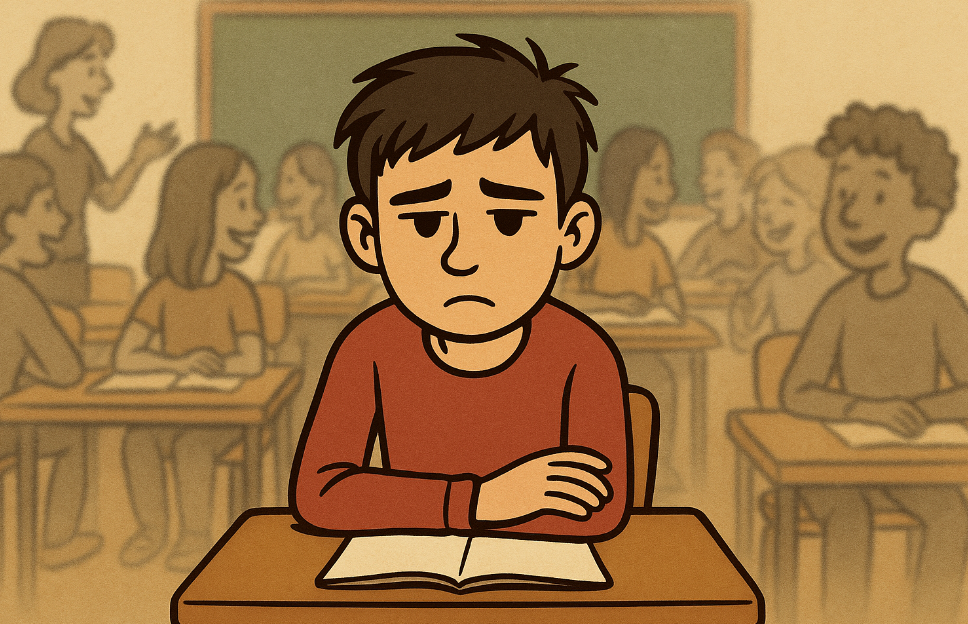
Recent findings are shedding light on how loneliness, a seemingly simple emotional state, can impact cognitive performance and learning in children and adolescents.
Loneliness and Cognitive Performance
A recent study has found that while loneliness may subtly affect how well older adults remember, it doesn’t directly accelerate cognitive decline as previously thought. Instead, loneliness affects baseline brain performance but doesn’t cause faster memory deterioration than in those who feel more socially connected. The study, which tracked over 10,000 individuals in Europe for seven years, emphasizes the nuanced effects loneliness can have on mental function (Science Daily).
Implications for Education
The implications of these findings are significant for educators and psychologists working with students. While intellectual capabilities might not decline more quickly due to loneliness, the initial weaker memory can directly affect educational outcomes. Students who struggle with loneliness may find it challenging to perform at their best, necessitating interventions that create a supportive and socially engaging learning environment.
The Role of Brain Imaging in Understanding Learning Challenges
Parallel research at Stanford University suggests that children struggling with math might experience more than difficulties with numbers. In fact, these struggles may be linked to an inability to adapt thinking after making mistakes. Brain imaging indicated reduced activity in regions involved in error monitoring and behavioral adjustment, which was consistent with difficulties in math performance (Science Daily).
Educational Strategies
- Identifying Learning Patterns: Understanding the neural patterns in children struggling with math can inform targeted interventions that address specific cognitive deficits.
- Promoting Growth Mindset: Educators can encourage a growth mindset by teaching students how to leverage mistakes as learning opportunities, thus enhancing their ability to adjust and learn.
Fostering Socio-Emotional Skills
As loneliness can affect cognitive performance and learning, fostering socio-emotional skills becomes a pivotal part of educational strategies. Programs that encourage collaboration, empathy, and social engagement can help alleviate feelings of isolation among students.
Creating Inclusive Learning Environments
Inclusive learning environments where students feel valued and connected can mitigate the effects of loneliness. Educators must recognize that students’ emotional states significantly influence their cognitive functioning and learning capabilities.
The Future of School Psychology
The intersection of emotional well-being and cognitive performance is gaining attention in school psychology. By synthesizing insights from recent studies, educators and psychologists can develop more effective strategies to support students’ academic and emotional development. Emphasizing a holistic approach that includes social connection, emotional support, and cognitive interventions promises a brighter, more inclusive future for learners.
In conclusion, understanding the multifaceted nature of loneliness and learning challenges requires both an acknowledgment of their psychological intricacies and a commitment to leveraging this knowledge to enhance educational experiences. As research continues to unravel these complex dynamics, school psychologists stand ready to implement evidence-based interventions that support thriving learners.