

Shaping Youth Well-Being: Peers, Measurement, and School-Based Care
This week, we linger on smoking, teenage health literacy, and sleeping patterns.
Influence of Friends on Adolescent Smoking Trajectories
The social world of adolescents is a powerful arena for shaping health behaviors, as highlighted by recent research on smoking initiation and frequency. This longitudinal study tracked U.S. teens from ages 13 to 17, examining how both close friends’ smoking habits and perceived broader peer pressure against smoking impacted youth tobacco use. The findings point to a clear mechanism: having a best friend who smokes dramatically increases the chance an adolescent will start smoking, tripling the odds.
Interestingly, just perceiving that peers advocated against smoking did not influence the start of smoking, but it did relate to smoking frequency over time. Teens who felt stronger anti-smoking peer influence tended to smoke less as they aged. This suggests both specific close friendships and the larger peer climate have independent, additive effects on adolescent smoking patterns. For school psychologists, addressing not only individual relationships but also peer group norms may be key to effective prevention programs.
Health Literacy’s Role in Assessing Sleep Disturbance
Moving from adolescent behaviors to health measurement, a new psychometric analysis underscores the importance of considering health literacy when interpreting self-report measures. Using the PROMIS Sleep Disturbance-Short Form 8a, this study explored whether responses differed across adults with varying health literacy levels. Although respondents with lower literacy reported greater sleep disturbance overall, four of the eight questions showed differential responses unrelated to actual differences in sleep quality. However, the overall effect on total sleep scores was negligible, supporting the tool’s utility across diverse literacy groups.
For school psychologists involved in mental health screening, this research signals the need to be mindful of possible biases stemming from literacy differences, while also reassuring that some widely used instruments remain robust. It’s a reminder to combine quantitative results with clinical judgment and to advocate for clear, accessible assessment tools.
Advancing School-Based Measurement-Based Care.
Finally, school-based mental health providers have a promising new resource: teacher-report versions of two brief, free tools designed to support measurement-based care for youth internalizing and externalizing problems. The Behavior and Feelings Survey (BFS) and the Top Problems Assessment (TPA) have proven to be valid and reliable when completed by parents and youth. Newly developed teacher-report forms show similarly strong psychometric properties and effectively track changes over treatment.
Notably, teacher reports provide distinct information compared to parent and youth perspectives, highlighting their incremental value. Integrating these teacher-report measures can broaden multi-informant assessment in schools, enabling more tailored and responsive interventions. For school psychologists, these tools represent an accessible, evidence-based enhancement for routine progress monitoring and collaborative care.
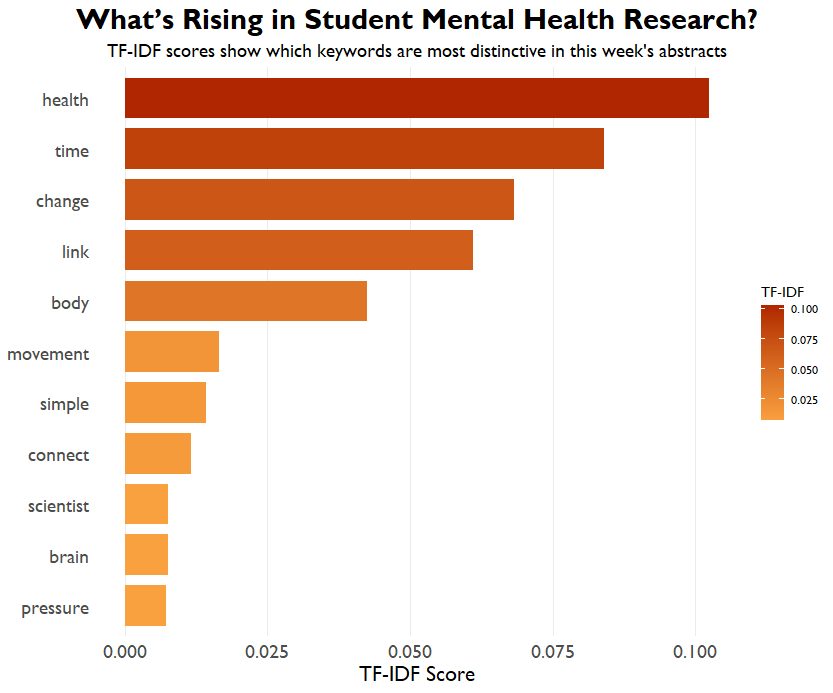
Together, these studies emphasize that supporting youth well-being depends on a nuanced understanding of social contexts and rigorous, accessible assessment methods. Staying informed about such evolving research empowers school psychology professionals to foster healthier developmental trajectories. Keep following our evidence-based coverage for insights that can help transform school mental health practice with the best available science.