
Mental Health Superheroes: Child Psychology Breakthroughs
Did you know that 13% of school-age children in the U.S. suffer from diagnosed anxiety disorders, yet nearly 80% of those kids receive no treatment at all?
This unsettling reality demands our immediate attention and action to transform the way we support our children’s mental health in school settings.
The Battle with Self-Regulation
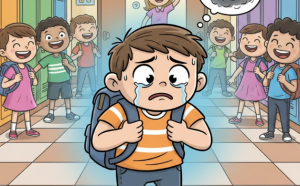
Ever wonder why your child struggles to manage emotions, like bursting into tears over a minor setback or becoming frustrated during homework sessions? Researchers have found that many children grapple with difficulties in self-regulation due to underdeveloped executive functions in the brain, which include skills such as focusing attention, controlling impulses, and emotional regulation. In school environments, these challenges can lead to academic struggles and behavioral issues.
Both educators and parents play crucial roles in nurturing these skills through structured routines, patience, and modelling calm behavior.
Screen Time Smackdown
Another pressing question for modern parents and educators: how exactly is screen time affecting our kids’ mental health? The answers might surprise you. Studies reveal that excessive screen time can increase anxiety and depression in children by limiting their physical activity and social interactions. However, it’s not all bad news. When used wisely, digital devices can offer educational benefits and boost creativity.
A balanced approach suggests setting limits—a maximum of two hours per day of recreational screen time—and encouraging alternative activities like outdoor play and in-person socializing to promote mental well-being.
School: The Resilience Factory
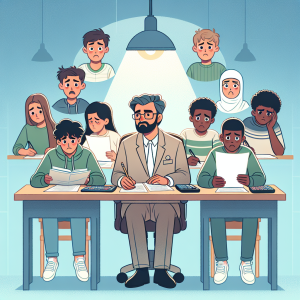
Sustainability in a child’s mental health hinges on resilience, the ability to bounce back from adversities. Schools are uniquely positioned to foster resilience by providing safe environments for students to express themselves and cultivate strong relationships with peers and mentors. Programs that promote social-emotional learning (SEL) teach children how to manage emotions, establish positive relationships, and make responsible decisions.
It’s true, teachers have the power to transform classrooms into incubators of resilience simply by integrating SEL into the curriculum.
Embrace every opportunity to talk with your child about their day. Who helped you today? What was challenging? What are you proud of? Conversations like this help kids process their experiences and develop emotional literacy.
Practical Takeaways for Parents and Educators
- Set consistent routines. Routine gives children a sense of security and control, which can ease anxiety and develop executive function skills.
- Limit screen time. Balance tech uses by prioritizing physical activity and in-person interactions.
- Incorporate SEL. Teach and practice emotional literacy at home and school — it’s as important as academic learning.
Call to Action: Advocating for Better Policies
Let’s join forces to demand more mental health resources in schools. Advocate for policy changes that fund school psychologists and SEL programs. We owe it to our children to prioritize their mental well-being as fiercely as we would their academic achievement.
Let’s Talk About It:
- What’s the biggest mental health challenge you see in schools today?
- How can schools better support students’ emotional well-being?
- What’s one school psychology insight that changed the way you parent or teach?