
The ‘Muscle’ of Child Self-Regulation
Why are some kids in a classroom able to sit still and focus while others bounce around like they’ve had two gallons of sugar? How can understanding this help parents, teachers, and school psychologists foster better learning environments?
Here’s an amazing insight: Kids’ ability to self-regulate is like a muscle—it strengthens with practice and intentional guidance, influencing everything from their academic performance to their way of handling emotions.
Unpacking the Science of Self-Regulation
Recent studies have unearthed fascinating insights into children’s self-regulation, a key component of their overall development. But what exactly is self-regulation? It’s a child’s capacity to manage their emotions, behavior, and thoughts in pursuit of long-term goals—think of a child sitting patiently through a math lesson instead of getting distracted by the pencil they keep dropping.
The Research Journey
Researchers have found that self-regulation can be nurtured at an early age and strengthened as children grow. Think of it as building a “thinking cap,” which helps them weigh decisions and control impulses. According to a study published in Child Development Journal, structured routines and positive reinforcement play a crucial role in this development.
This aligns with what’s known as the “marshmallow test” scenario—a child’s ability to resist the temptation of a small reward now for a bigger reward later. Those who could wait usually had stronger self-regulation skills and better outcomes as they progressed through life.
A Drama in Every Classroom
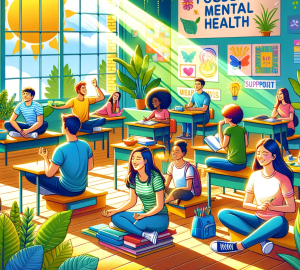
Picture this: In Ms. Johnson’s class, little Max struggles with keeping his hands to himself during quiet reading time. Every few minutes, he’s fidgeting or whispering to his neighbor. Ms. Johnson remembers advice from recent research she read: “Provide guided practice.” She sets up a ‘focus station’ where students spend a few minutes a day practicing calming techniques—mindfulness breathing, for example.
A month later, not only is Max less fidgety, but he’s helping classmates adopt these techniques. His reading scores are improving, and his parents notice he’s calmer at home.
The Bigger Picture: Why It Matters
Understanding and applying self-regulation techniques aren’t just isolated classroom hacks—they’re fundamental to child development. When educators and parents invest effort into helping children develop these skills, they’re setting them up for success in academics and beyond.
Screen Time and Its Impact
Today’s kids are growing up in a digital world. How does screen time affect self-regulation? The research suggests a double-edged sword; while educational apps can foster learning, unregulated screen time can impair attention and the ability to self-regulate. Schools and parents need to strike a balance—encouraging mindful use of digital devices.
Practical Takeaways for Parents and Teachers
- Set Consistent Routines: Structured daily schedules help kids feel secure and know what to expect, fostering better behaviour and focus.
- Encourage Mindfulness Practices: Even simple breathing exercises can be a game-changer for children struggling with self-control.
- Model Behavior: Children, especially the younger ones, learn a lot by watching the adults around them. Model patience and self-discipline.
Call to Action
Armed with this understanding, how can schools enhance their policies to better support students’ emotional well-being? It’s time to prioritize mental health education just as vigorously as academics.
Let’s Talk About It
- What’s the biggest mental health challenge you see in schools today?
- How can schools better support students’ emotional well-being?
- What’s one school psychology insight that changed the way you parent or teach?
Feel inspired? Share your thoughts, experiences, or views in the comments below or start a conversation on social media!