Why Gaming Might Be Like a Warm Blanket for Kids—But with a Catch
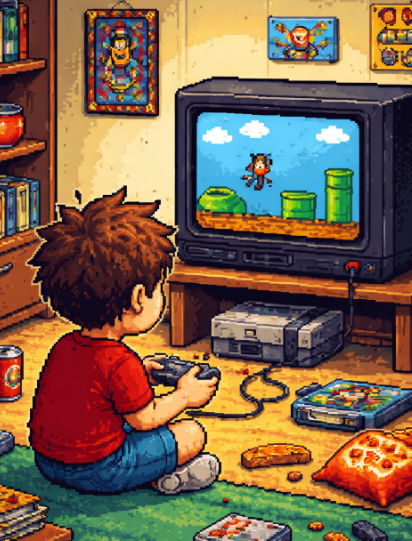
Did you know that for some kids, logging into a video game is like wrapping up in their favorite blanket after a bad day? Just a quick gaming session can temporarily melt away the stress. But there’s a catch—it may not be the healthiest way to cope.
Understanding the Brave New World of Gaming
Let’s dive into the intriguing world of gaming and mental health, explored by a recent study from the University of Bern, Switzerland. This research showed that young people with Internet Gaming Disorder (IGD) experience a rollercoaster of emotions tied to their gaming habits. For them, gaming isn’t just a hobby; it’s a quick fix for stress and anxiety.
The Short-Term Gains of Gaming
The researchers used Ecological Momentary Assessment (EMA) via smartphone alerts to catch these kids in their natural environments. They found that gaming can actually drop stress levels and uncomfortable emotions, acting like a short-term emotional balm. Sounds like magic, right?
The Long Game: Emotional Health and Resilience
In reality, while games might soon take the edge off stress, they don’t cure the deeper issues. Picture this: like hitting the pause button on unhappy feelings—only to have them storm back once the game is off. These kids showed more anxiety and depression compared to those without gaming problems—not exactly the outcome you’d want in the long run.
The Classroom Conundrum
Teachers, parents, and school counselors often ask: How can we tackle such challenges when the classroom also becomes a battlefield for emotional well-being? It’s a tough question, considering that kids with IGD often have more classroom behavioral issues and social difficulties.
Strategies for Schools
Schools can play a pivotal role in shaping a child’s resilience. Integrating mindfulness and emotional regulation strategies into the curriculum can empower kids to handle stress without turning to screens. Moreover, fostering an open dialogue about gaming and mental health is a must.
Where Do We Go From Here?
Here’s a practical takeaway for parents and teachers: focus on developing healthy coping strategies. Encouraging kids to be active, engage in creative activities, and talk openly about their feelings can ease their dependency on gaming for emotional relief.
A Call to Action
Now is the time to advocate for better mental health policies in schools that address these challenges. Could we see more programs that teach kids emotional resilience? Absolutely—and it starts with conversations in local communities and schools.
So, what changes would you make in your school after learning this? Let’s keep this conversation going.
Let’s Talk About It
- What’s the biggest mental health challenge you see in schools today?
- How can schools better support students’ emotional well-being?
- What’s one school psychology insight that changed the way you parent or teach?
Engage with us in the comments or share this story with your peers on social media—or both! Together, we can create a robust support system for every child, ensuring they learn to thrive both inside and outside the classroom.