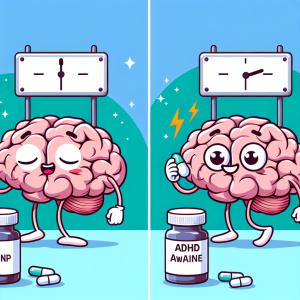

The Controversial Use of Melatonin in Children
In the realm of child health, the use of melatonin supplements to manage sleep disorders in children has become a hotly debated topic. Recent studies and reports have raised significant concerns about the overuse of this supplement and its potential long-term effects on children’s health and development.
The Rise of Melatonin Use in Children
Melatonin, a hormone that regulates the sleep-wake cycle, is increasingly administered to children to ameliorate sleep problems. In particular, its use among children with Autism Spectrum Disorder (ASD) and Attention Deficit Hyperactivity Disorder (ADHD) has shown some benefits, as highlighted by a major review. Nonetheless, for children without these conditions, the supporting evidence is far less conclusive.
Why Melatonin is Under Scrutiny
One major issue is the lack of adequate data on its long-term efficacy and safety for children. The supplement industry is notoriously under-regulated, creating risks such as mislabeled doses. Furthermore, accidental ingestions, particularly among younger children, are rising, raising safety alarms within the medical community.
‘Melatonin should be used carefully and only alongside proven behavioral sleep strategies,’ experts advise, underscoring the supplement’s role as a secondary measure rather than a primary solution.
The School Psychologist’s Role
Given these concerns, school psychologists are increasingly urged to be cognizant of the underlying issues affecting sleep in children, which often extend beyond biological explanations to psychological and environmental factors.
Behavioral Sleep Strategies
- Establishing a consistent bedtime routine
- Restricting screen time before bed
- Creating a sleep-conducive environment free of distractions
These are foundational steps that school psychologists can recommend to parents as part of a comprehensive approach to improving sleep.
Addressing the Core Causes
An holistic approach should be promoted, addressing the root causes of insomnia, which might include anxiety, depression, or behavioral issues commonly encountered in educational settings.
Case Study: A Closer Look
A Yale study found a link between parent stress and childhood obesity, as managing stress through mindfulness and stress-reduction techniques resulted in improved child health outcomes. Such findings highlight the intertwined nature of psychological well-being and physical health (Science Daily).
Navigating the Present and Future
As more parents turn to psychological experts in schools for guidance, it’s imperative that professionals emphasize comprehensive solutions that span behavioral therapy, parental guidance, and, when necessary, cautious supplementation.
Final Thoughts
The surge in melatonin’s popularity might reflect a deeper societal trend towards quick solutions. However, the lasting impact on the educational and psychological profiles of children makes it a subject worthy of informed discussion and careful consideration in the field of school psychology.