
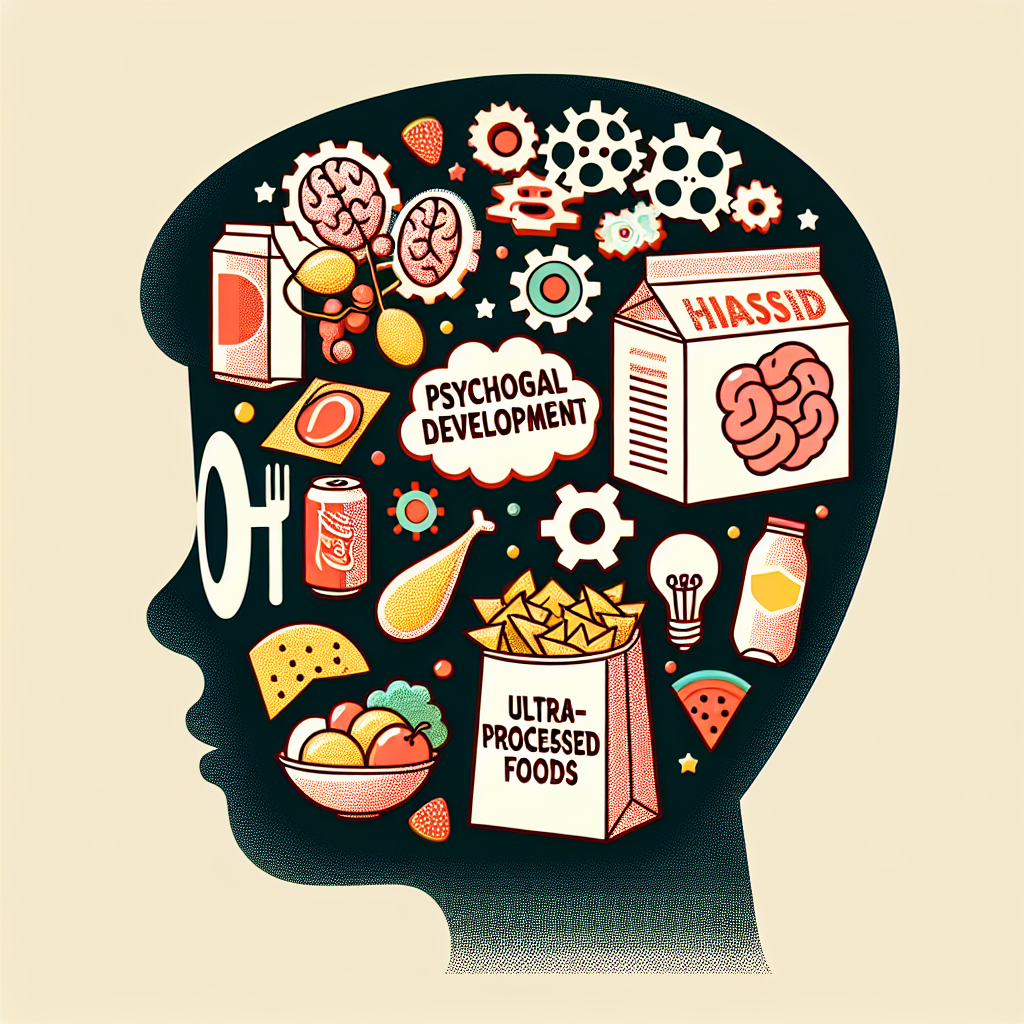
The Hidden Impact of Ultra-Processed Foods on School-age Children’s Psychological Development: Beyond Nutritional Concerns
Recent studies have brought to light the concerning impact of ultra-processed foods (UPFs) on children’s development and cognitive functions. This goes beyond mere nutrition concerns, delving into how these industrially manufactured foods affect emotional regulation, cognitive abilities, and long-term mental health. As educators and parents grapple with dietary influences on young minds, it becomes crucial to explore how these foods may be silently shaping school psychology.
The Ubiquity of Ultra-processed Foods
Ultra-processed foods now constitute a significant portion of children’s diets globally. Characterized by high levels of sugar, unhealthy fats, sodium, and numerous food additives, UPFs often appeal to children due to their taste and packaging. The transition from whole foods to more processed alternatives marks a significant shift in dietary patterns, with potential repercussions on school performance.
Key Impacts on Cognitive Development
A study by ETH Zurich highlights that inadequate nutrition from a diet rich in UPFs can lead to developmental impairments, influencing cognitive function. This impact is not limited to physical health, as the cognitive costs extend into attention span, memory, and learning abilities—all crucial for a child’s educational journey.
An analysis by News-Medical concurs, noting that exposure to high levels of UPFs can compromise cognitive development and long-term mental health. Nutrient deficits, changes in brain reward pathways, and inflammation are cited as culprits behind these cognitive deficits.
Emotional and Behavioral Consequences
Beyond cognition, the emotional landscape is also influenced by dietary patterns. According to News-Medical, UPFs can impair emotional regulation and contribute to behavioral issues, affecting classroom dynamics and learning environments. The American Academy of Pediatrics underscores that emotional dysregulation may lead to increased anxiety and attention disorders, complicating classroom learning further.
Navigating the School Environment with Better Choices
While the role of diet in child psychology is complex, steps can be taken to mitigate the effects of UPFs on children’s development. Encouraging whole-food-based diets in school cafeterias and at home can foster not only better physical health but also enhance cognitive and emotional well-being.
- Promoting Whole Foods: Focus on minimally processed foods rich in essential nutrients, fostering healthier eating habits early on.
- Parental Involvement: Educate parents about the effects of UPFs and encourage them to offer healthier alternatives during mealtime.
- School Policies: Implement school policies that limit the availability of UPFs and incentivize healthier choices through student education campaigns.
The Role of Education Professionals
Teachers and psychologists play a critical role in creating awareness about the cognitive and emotional impacts of diet. Programs that integrate nutrition education into the curriculum can empower children to make informed food choices, fostering resilience both in and out of the classroom.
Researchers advocate for targeted interventions starting early in life, emphasizing that dietary habits established in childhood have long-lasting effects. As we deepen our understanding of the interplay between diet and mental development, strategies must evolve to support healthier school environments.
Conclusion
The narrative on school psychology isn’t complete without acknowledging the dietary influences analogously shaping cognitive and emotional landscapes. Future educational policies should emphasize multi-layered interventions, combining nutrition education, supportive school environments, and parental guidance to curb the rising trends of UPFs and their repercussions on children’s developmental trajectories.