Unraveling Child Bullying in Families
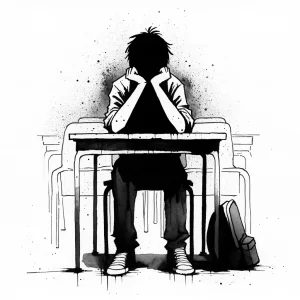
Picture this: A child comes home from school every day, eyes downcast, more withdrawn, and goes to their room, locked away from the world and their family.
This might not be your typical bullied student scenario, but research tells us it could be happening more often with a surprising twist on the location of their biggest bullies—their own relatives.
Recent studies have discovered that relative bullying—bullying by extended family members like aunts, uncles, or even grandparents—could be impacting children significantly, affecting their mental health just as much as school bullying. An extensive study conducted among nearly 1,100 teenagers found a fascinating link between something called the ‘Dark Triad’—a trio of personality traits such as Machiavellianism, narcissism, and psychopathy—and key roles played in bullying dynamics within the family.
Breaking Down the Research
In an effort to uncover the intricacies of bullying at home, this study honed in on how specific traits and behaviors contribute to children becoming bullies, victims, or a mix of both (bully-victims). Here’s what they found:
- Machiavellianism and Psychopathy: These traits were strong indicators that a child might become a pure bully. Psychopathy was notably linked with bully-victims as well.
- Aggression: Surprises were few; aggression correlated significantly across all bullying roles. It is powerful in predicting who might become a bully or a bully-victim.
- Narcissism: Higher levels of narcissism are linked to being a victim, while lower levels are tied to pure bullies.
The inclusion of family dynamics, such as sibling and parental victimization, also painted a compelling picture. Kids experiencing aggression at home, whether from siblings or parents, were more likely to fall into the roles of either victims or bully-victims. This provides educators and parents a unique lens to spot and address bullying signs earlier than traditional school-centric observations might allow.
Why It Matters Now
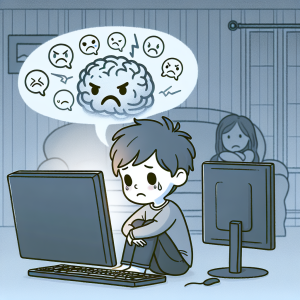
Today’s world is more interconnected than ever, and children carry the influence of their home life into their social interactions at school. Recognizing the signs of relative bullying can help parents and educators break the cycle of aggressiveness and victimization before it transforms into more detrimental behavior. With the rise of screen time and digital interactions, engaging children in discussions about these dynamics holds both preventive and healing potential.
The data emphasizes the critical role schools play in molding resilient kids. By leveraging insights from studies like these, schools can fine-tune their mental health policies and initiate programs that emphasize empathy and kindness beyond classroom walls.
What You Can Do
Addressing these issues seems daunting, but parents and teachers hold powerful tools to make change:
Practical Takeaways:
- Foster Open Communication: Encourage kids to talk about their daily experiences openly, without fear of judgment.
- Implement Empathy Education: Schools should incorporate emotional intelligence lessons that teach kids to recognize and respect others’ feelings.
- Collaborate on Policies: By advocating for robust school mental health policies, we can reinforce support systems for students facing such challenges.
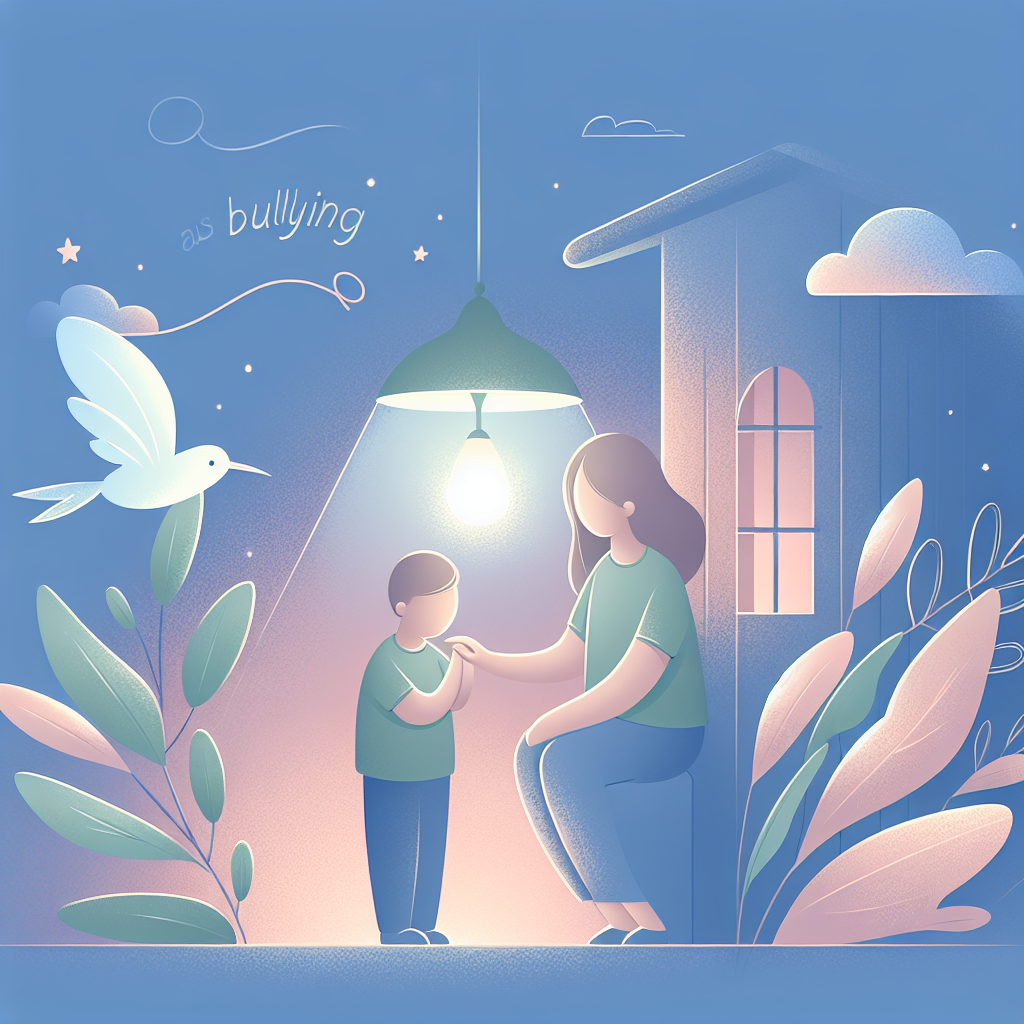
Creating an environment where children know they’re heard builds resilience that transfers into other aspects of life, preparing them to navigate a complex world.
Let’s Talk About It
How is relative bullying different in impact compared to peer bullying? How can schools create better support systems for students experiencing bullying at home? Do you incorporate discussions about family dynamics in your classroom or home?
Engage with us! Share your thoughts and experiences by leaving a comment below or joining the discussion on our social media channels. Together, we can pioneer a better, safer environment for our children, full of understanding and growth.
For more in-depth exploration, check out the full study here.