
When Kids Come Back from Crisis: The Hidden School Challenge No One Talks About
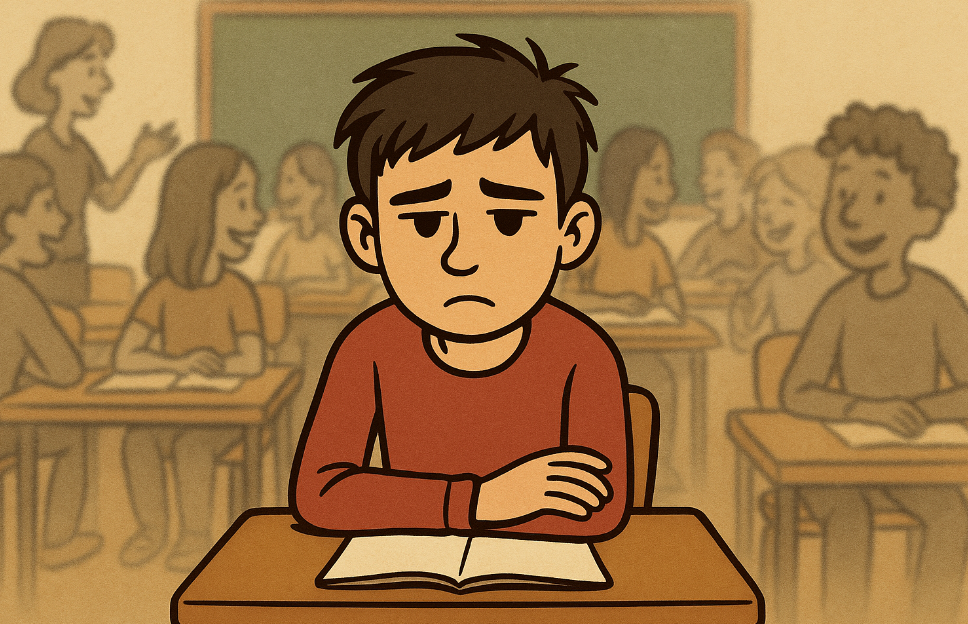
Two days after a seventh grader was discharged from a psychiatric hospital, his teacher noticed something odd. He wasn’t behind on work—he was terrified to ask what he’d missed. His classmates whispered. His counselor hadn’t been told he was coming back. No safety plan was in place. His parents thought the school “already knew.” The hospital assumed the family would share everything. The result? A child stepping into school after the scariest week of his life… with no coordinated plan.
And here’s the part that should make every school psychologist, counselor, and parent stop cold: This isn’t a rare slip-up. It’s the norm. A new study on school–family–hospital communication found that during youth psychiatric hospitalizations—especially for suicidal thoughts and behaviors—communication is so inconsistent that it can either protect kids or put them at real risk, depending on whether the right conversations happen at the right time.
This is the story behind the data—a story about gaps, misunderstandings, and the quiet heroes trying to catch kids when systems fail.
A Crisis No School Can Ignore
Youth mental health is in free fall. Suicide rates among 10–24-year-olds have skyrocketed 62% in the last 15 years, and psychiatric hospitalizations are often the emergency “last stop” for young people in danger. But here’s the twist: the average hospitalization lasts just eight days. Eight days to stabilize, treat, plan… and then kids go right back to algebra quizzes, locker drama, and classrooms buzzing with life.
The problem? Only 42.7% of adolescents even get a follow-up outpatient appointment within a week of discharge—a period known to be dangerously high-risk. For many students, school becomes the main source of mental health support. Which means one thing: the moment a student returns to school is not just important. It’s critical.
The Research That Pulled Back the Curtain
The study interviewed 10 school mental health professionals—from counselors to social workers to district-level leaders—who routinely support students returning after psychiatric hospitalization.
Their stories revealed something surprising: Barriers and facilitators weren’t opposites—they were two ends of the same need. When communication was strong, kids thrived. When it broke down, kids struggled… sometimes dangerously so.
The study found three big communication arenas:
- School ↔ Family
- School ↔ Hospital
- Family ↔ Hospital
And in each arena, the same needs kept showing up like blinking warning lights.
1. The School–Family Disconnect: Trust Makes or Breaks Everything
One counselor put it bluntly: “If the trust isn’t strong, communication just won’t happen.”
Families who trust their school are more likely to call, coordinate, and share details kids desperately need adults to know. But if a school initiated the hospitalization—or if past interactions felt judgmental—that trust crumbles fast. Parents often want to help but struggle with:
- Confusion about discharge instructions
- Stigma around mental health
- Not knowing what the school actually needs
- Fear the information will “follow” their child academically
Families sometimes misunderstand clinical jargon or unintentionally share incomplete details, not from neglect but from being overwhelmed and scared.
And when misinformation flows in, it flows out. Schools make plans based on the only info they have—even if that info isn’t fully accurate.
2. The School–Hospital Blind Spot: “We Didn’t Even Know the Student Was Admitted.”
This is the part of the study that will shock many parents. Schools are often not informed when a student is hospitalized. HIPAA protects health information. FERPA protects educational records. Neither system is built for fast, clear, kid-centered communication.
One counselor admitted:
“I’ve left so many voicemails with hospitals and never heard back.”
Another received a 300-page packet of medical records—most of which were irrelevant to school—and had no guidance on what mattered most for reentry. Schools want to know:
- Discharge date
- Suicide risk indicators
- Recommended supports
- New medications and side effects
- Coping strategies taught in treatment
- Safety plan basics
But hospitals rarely send this directly. They send it home with families, who may or may not pass it along.
The result? School staff walk into reentry meetings with missing puzzle pieces. And kids walk in with needs nobody is prepared to meet.
3. The Family–Hospital Gap: “We Didn’t Know We Were Supposed to Tell the School.”
Parents are often exhausted, traumatized, and juggling a massive emotional load. Many don’t understand what the school needs, and others assume:
- Hospitals will notify the school
- Schools will automatically excuse work
- Counselors will know what to do next
But as the research shows, that system doesn’t exist yet. Hospitals talk to parents. Parents speak to schools—if they remember, feel ready, or know how. And that tiny, wobbly communication bridge has to carry the weight of a child’s safety.
So What Do We Do? The Study Offers a Map Forward
The researchers highlight five urgent recommendations.
⭐ 1. Create evidence-based communication guidelines
No more guessing who calls whom, when, and with what documents.
⭐ 2. Train school mental health professionals specifically on transitions
Not just suicide prevention. Not just crisis response. Hospital-to-school transitions require their own playbook.
⭐ 3. Give schools clear rules about confidentiality
What’s shareable? What’s protected? What do families need to know? Right now, even many professionals aren’t sure.
⭐ 4. Support families with psychoeducation
Parents shouldn’t need a degree in mental health to understand discharge paperwork.
⭐ 5. Build relationships before a crisis happens
Trust isn’t built during emergencies—it’s built every day before them.
The Real Takeaway: We Can’t Keep Hoping Communication “Works Itself Out”
If there’s one thing this study makes painfully clear, it’s this: Kids shouldn’t have to rely on luck—luck that adults happen to talk, happen to connect, or happen to share the right information in time.
Hospitalization is already terrifying for students. Returning to school shouldn’t be.
What Parents and Educators Can Do Today
For Parents:
- Tell the school as soon as your child is hospitalized or discharged.
- Bring any discharge paperwork—even if it feels incomplete.
- Ask the hospital: “What should the school know to keep my child safe?”
For School Staff:
- Create a go-to protocol for reentry—before the next crisis.
- Designate a single point of contact for families.
- Build relationships with local hospitals (yes, literally call them and introduce yourself).
For District Leaders:
- Make hospital-to-school transitions a policy priority.
- Train every school mental health professional.
- Map out community mental health resources as part of district infrastructure.
Let’s Talk About It
- What’s the biggest mental health challenge you see in schools right now?
- How can we make it easier for families to communicate with schools after a crisis?
- What one change in your school would make reentry safer and smoother for students?
The conversation starts with us—parents, educators, and mental health advocates who believe that no child should return from crisis alone.