Latest Insights & Research

Stay informed with the latest public health research, insights, and evidence-based analysis from our team of experts.

Mental health

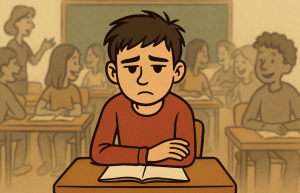
Sense of Absence and Kids’ Mental Health

One morning in a sunlit classroom, an unexpected glance became a revelation. While her peers chatted, Emma, a lively 8th grader, quietly stared out the window, seemingly detached from the bustling classroom around her. Her teacher noticed this recurrent daydream-like state, signaling a deeper, hidden struggle beneath the surface. This scene embodies what researchers have […]

Read more →


Neurodevelopmental

Genetics and Intellectual Developmental Disabilities

Did you know? Only 78% of children with intellectual disabilities linked to their genetics actually receive the vital educational, health, and care plans (EHCPs) they so desperately need. This baffling statistic comes from groundbreaking research that sheds light on the invisible barriers these kids face in getting support in schools across the UK. So, why […]

Read more →
Mental health

Kids and Screen Time and Gaming

Did you know that too much gaming can reshape your child’s brain, making it harder for them to control their impulses and stay focused? It’s true! Recent research has shown that it’s not just gaming addiction but excessive gaming behavior (EGB) that parents and teachers should be concerned about. Here’s the key finding: A groundbreaking study […]

Read more →
Policy

Schooling Choices and Remote Options

In a bustling elementary school, during a seemingly regular Monday morning, Sarah, a caring but overwhelmed third-grade teacher, glanced at her classroom from her cluttered desk. The kids, though small in stature, carried the cumbersome weight of their oversized backpacks and perhaps more significantly, the invisible baggage of emotional challenges. A recent study reveals that […]

Read more →
Development

Flexible Instruction Days (FIDs) vs. Snow Days: Evidence on Learning, Equity, and Student Well-Being

Flexible Instruction Days (FIDs)—also called “e-learning days” or “virtual snow days”—aim to count weather closures as instructional days. Direct peer-reviewed research on weather-triggered, 1–5-day-per-year FID programs is limited, so districts rely on (1) studies on weather closures and absences, (2) K–12 online-learning research, and (3) COVID-era remote-learning evidence. Three takeaways are best supported: a small […]

Read more →
Development

Kids’ Mental Resilience and the Role of Schools

Did you know that approximately one in five children will experience a mental health disorder in a given year? That’s 20% of our young learners potentially struggling, sometimes invisibly, within the walls of their classrooms. Shocking, right? The Science Behind It: Understanding Kids’ Emotions Today’s classrooms are mirrors reflecting a diverse range of emotional and […]

Read more →
Neurodevelopmental

The Early Signs of Autism in Kids

Inside Every Child’s Mind: A Moment That Changed Everything In a bustling elementary classroom, a teacher pauses mid-lesson, captivated by a curious pattern—a student, just six years old, seems entranced by the rhythm of tapping pencils rather than the words on the page. What does this tell us about the child’s mind? Bridging Science and […]

Read more →
Academics

Montessori Education Explained: What It Is, How It Works, and What the Science Says

Parents hear the word Montessori everywhere—on preschools, toys, bookshelves, and Instagram reels. It’s often associated with calm classrooms, independent children, and beautiful wooden materials. But what is Montessori education really? And more importantly, does it work? This article explains the Montessori method in plain language and summarizes what decades of research—including studies published in Science […]

Read more →
Mental health

Antisocial Behaviors in Schools: Connections to Isolation

Think about this—a teenager, surrounded by friends on the playground, yet feeling utterly isolated. You might raise an eyebrow at this paradox, but it’s a scenario too common in schools today. Studies have shown that the number of friends a child has can paradoxically lead to antisocial behaviors, particularly in boys. What’s going on in […]

Read more →
Neurodevelopmental

Irritability and Autism

Did you know that up to 80% of autistic children experience irritability, profoundly affecting their academic performance and daily interactions? As astonishing as it sounds, this is a daily reality for many students, underscoring the urgency of understanding and addressing these challenges in school settings. Understanding the Science Behind Irritability Recent research highlighted in Scientific […]

Read more →

Get the school-psych insights
you need—
every Wednesday morning.

We scan 70+ journals so you don't have to.
One email. Zero jargon. Unsubscribe anytime.

🔒 No spam. 1-click opt-out. Privacy-first.