
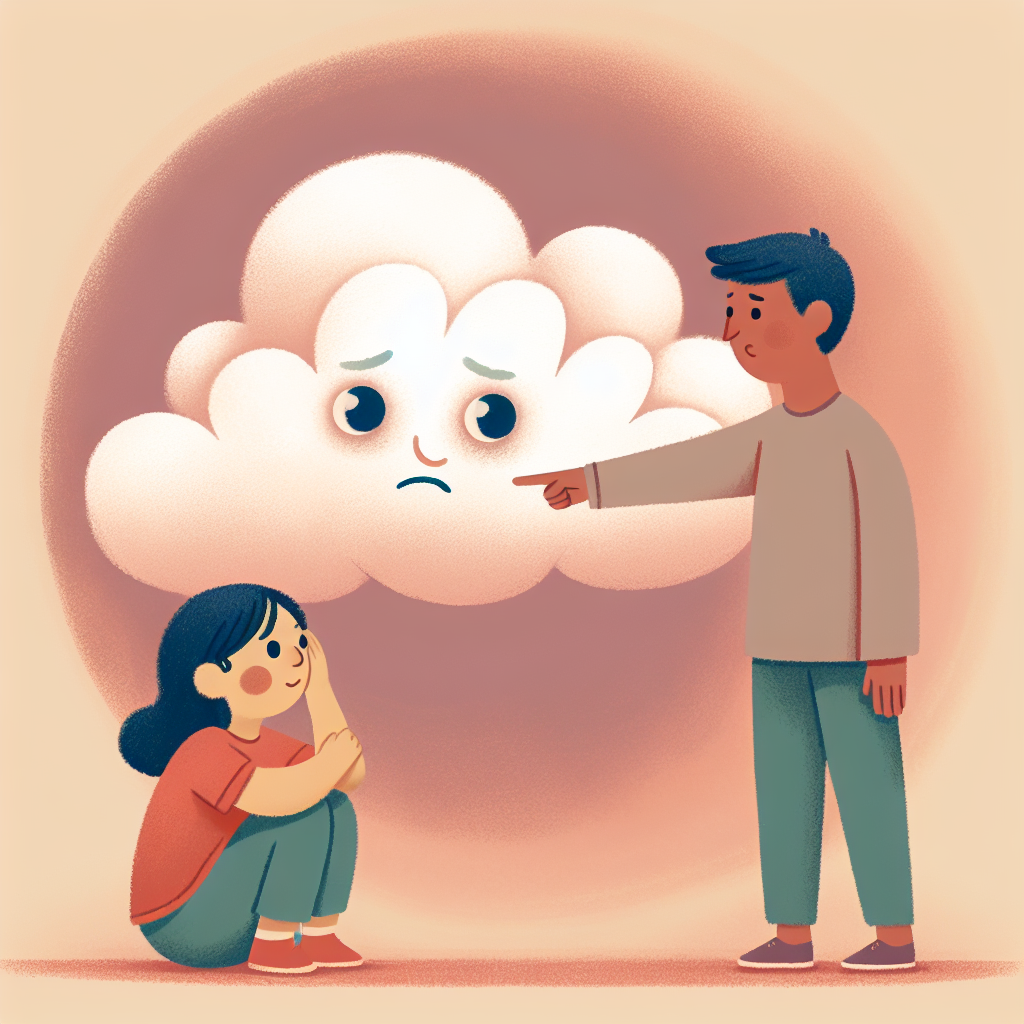
Angry Faces Shape Children’s Memories
Is your child better at remembering angry faces than calm ones? Recent research reveals that children might recall angry faces more vividly than neutral ones, posing intriguing questions about the development of memory and its implications on learning and mental health. Let’s dive into this fascinating study and explore how these findings can impact parenting and schooling strategies.
Understanding Memory: Angry vs. Neutral Faces
In a study published in Scientific Reports, 9 to 11-year-olds and young adults were presented with pairs of faces and objects. These faces either displayed an angry or neutral expression. They found children remembered angry faces significantly better than neutral ones. However, for adults, the emotional expression did not notably impact face memory. This suggests kids might be naturally more attuned to anger, a fact that could reshape how we address emotional cues in educational settings.
Memory Dynamics in Kids and Adults
The study highlighted distinct developmental differences. While adults excelled in remembering the link between faces and objects (associative memory), this ability was reduced when the faces were angry. Interestingly, angry expressions didn’t disrupt children’s ability to recall associations between faces and objects. What does this mean? It suggests that while children might focus more on the emotional intensity of a scene (the angry face), adults process overall context, making detailed memory capacities slightly flimsy when faced with anger.
Why Should We Care?
For parents, teachers, and school psychologists, understanding these memory patterns is crucial. Recognizing that children might respond more intensely to anger can help in tailoring educational strategies, and in fostering environments that manage emotional expressions more effectively.
Everyday Implications
Picture a classroom: A teacher scolds a student—though the intention is to correct behavior, the emotions displayed might stick more in a child’s memory than any learning taking place. Understanding this can influence disciplinary methods and teaching approaches, advocating for calm, understanding environments that promote learning while managing emotional expressions carefully.
What Can We Do?
Practical Insights and Actions
- Parents: Being aware of the emotional expressions around children helps manage the emotional tone at home, fostering a secure and balanced environment.
- Teachers: Consider incorporating teachings on emotional awareness and self-regulation in the curriculum to help students recognize and manage their emotional responses.
- School Psychologists: Develop programs addressing emotion recognition and memory, collaborating with educators to enhance learning outcomes through emotional regulation.
Advocating for Better Policies
With the memory of emotions playing a significant role in a child’s development, advocating for mental health policies that consider these findings is essential. Schools can implement training for educators focused on managing emotions in the classroom, promoting resilience and emotional intelligence among students.
What’s Next In Your School?
As you reflect on these findings, ask yourself: How can I apply this understanding in my school or at home? Can we improve educational and mental health outcomes by adjusting how we manage emotional expressions?
Let’s Talk About It
Join the conversation:
- What’s the biggest mental health challenge you see in schools today?
- How can schools better support students’ emotional well-being?
- What’s one school psychology insight that changed the way you parent or teach?
Share your thoughts and strategies below, or engage with us on social media. Together, we can champion a supportive environment for the growth and development of every child.
Image Credits: FACES database (source), Brady et al.’s object database (source).