
Addressing the Impact of Cyberbullying
The digital age has brought about myriad changes in how we communicate, learn, and socialize. While technological advancements have provided significant benefits, they also come with their challenges, especially in the realm of education and child psychology. One such challenge is cyberbullying, a pervasive issue that has far-reaching implications on students’ mental health, academic performance, and overall well-being.
Understanding the Current Landscape of Cyberbullying
A recent poll by the United Nations revealed that around two-thirds of children worldwide report an increase in cyberbullying. Alarmingly, one in two children states they do not know how to seek the right support when faced with such challenges. This situation underscores the urgent need for effective strategies to address cyberbullying within educational settings.
The Psychological Impact of Cyberbullying
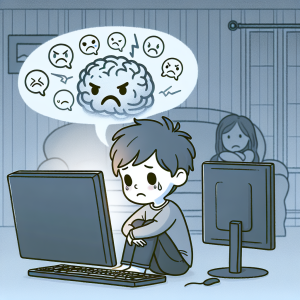
The psychological effects of cyberbullying are profound. According to research, exposure to cyberbullying can be classified as an adverse childhood experience, strongly linked to trauma. Subtle forms, such as exclusion from group chats, can trigger PTSD-level distress. This trauma can manifest as anxiety, depression, and other mental health issues, which can hinder a child’s cognitive and social development
Strategies for Schools and Educators
Effective intervention is crucial in mitigating the impact of cyberbullying. Schools, teachers, and educational psychologists play a pivotal role in creating safe environments and equipping students with the tools they need to navigate the digital world confidently.
Promoting Digital Literacy
Integrating digital literacy into the curriculum can empower students to use the internet responsibly. By teaching students about online etiquette, privacy, and the consequences of cyberbullying, educators can help prevent these negative behaviors before they start.
Fostering a Supportive Environment
It’s essential for schools to foster open communication where students feel safe to report incidents of cyberbullying. Establishing clear policies and support systems can encourage victims to come forward without fear of retaliation.
The Role of Mindfulness and Emotional Regulation
Mindfulness has emerged as a powerful tool in promoting mental well-being among young people. Studies suggest that mindfulness and stress-management skills can positively influence children’s behavior. By integrating these practices into daily school activities, educators can help students build resilience against the emotional disturbances caused by bullying.
Case Study: Mindfulness in Action
A Yale study found that reducing parental stress through mindfulness practices helped protect children against obesity, suggesting broader applications for psychological resilience. While this study focused on physical health, the principles can be equally effective in emotional contexts.
Moving Forward: Collaborative Efforts
Addressing cyberbullying requires a multi-faceted approach. Educators, parents, and policymakers must collaborate to create comprehensive strategies that encompass prevention, intervention, and support.
- Education Policy Reform: Policies should mandate the inclusion of digital citizenship and emotional education in school curricula.
- Parental Involvement: Parents should be encouraged to engage with their children’s digital lives and to seek resources to help them navigate online challenges.
- Research and Innovation: More research is needed to develop innovative solutions that adapt to the ever-changing digital landscape.
By combining efforts and sharing knowledge, educational institutions can cultivate a safer, more supportive environment that addresses the needs of modern students and fosters healthy psychological development.