Sense of Absence and Kids’ Mental Health
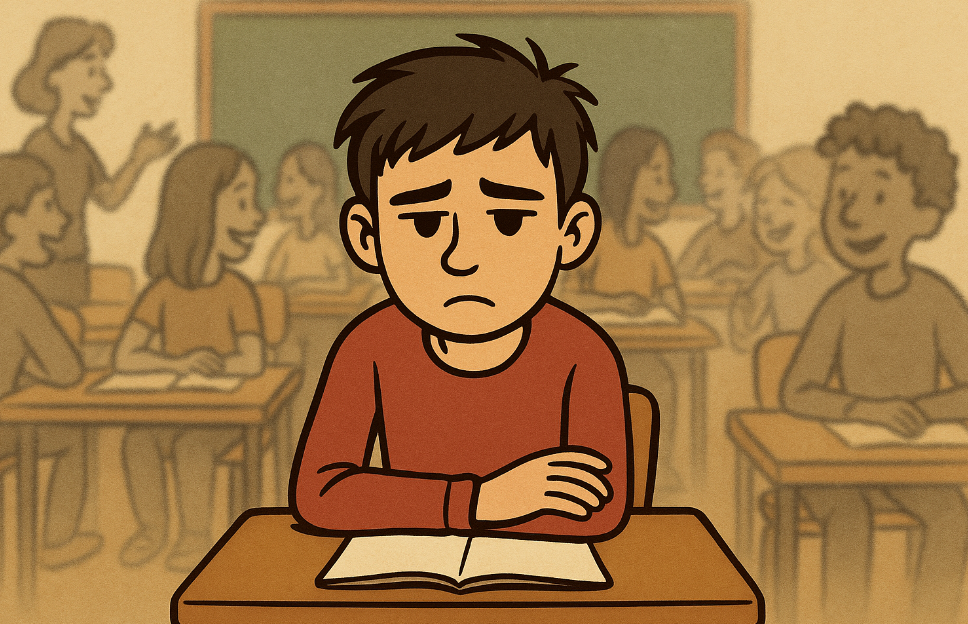
One morning in a sunlit classroom, an unexpected glance became a revelation. While her peers chatted, Emma, a lively 8th grader, quietly stared out the window, seemingly detached from the bustling classroom around her. Her teacher noticed this recurrent daydream-like state, signaling a deeper, hidden struggle beneath the surface. This scene embodies what researchers have recently termed the ‘Sense of Absence’ (SoA) – a psychological phenomenon characterized by feelings of inner void and relational invisibility.
What is the Sense of Absence?
Newly coined by researchers Efrati and Potenza, the SoA refers to a state of emotional disconnection that is prevalent among adolescents. Imagine feeling physically present yet emotionally unseen, akin to shouting into the void. It disrupts typical adolescent development and heightens the risk of turning to addictive digital behaviors as a form of solace.
The Story Behind the Discovery
What led researchers to discover the SoA? Inspired by a recurring pattern of emotional absence they observed among teenagers, Efrati and colleagues collected data from more than 1,500 adolescents aged 14 to 18. Their aim was to create a format that captures the essence of this uncharted emotional void affecting so many young lives. Through rigorous psychometric validation, they developed the ‘Sense of Absence Scale’ (SoAS), which identifies key attributes of this condition.
Why Should We Care?
The Sense of Absence matters because it offers a new lens through which we understand our children’s emotional landscapes. Consider the challenges you face when your child retreats to their room and immerses themselves in the digital world. It’s more than loneliness; it’s a profound invisibility driving them towards potentially harmful coping mechanisms like excessive gaming or social media use. The SoA bridges the unexplored gap, providing insight into addictive behaviors not fully explained by existing constructs like loneliness or depression.
Practical Ways to Apply the Research
So, what can parents, teachers, and school psychologists do? Here are actionable steps:
- Recognize the Signs: Be aware of youth disengagement, such as Emma’s daydreaming, as potential signals of the SoA.
- Focus on Connection: Promote interpersonal visibility by encouraging meaningful conversations at home and in classrooms, making kids feel seen and heard.
- Limit Screen Time: Help adolescents find non-digital avenues for connection and fulfillment, such as arts or sports, which satisfy their need for visibility and engagement.
Advocating for Better Mental Health Policies
Understanding the SoA opens new avenues for policy reform. Schools can incorporate training programs for educators to detect signs of absence, ensuring timely intervention. Encouraging mental health curriculum updates can further destigmatize emotional disconnection issues and normalize healthy discussions around mental well-being.
Final Thoughts
Addressing the SoA equips us with tools to craft empathetic environments where children thrive rather than merely exist. By highlighting the chasm between presence and emotional connection, we empower our communities to support healthier, more resilient adolescents.
Consider these questions in your community discussions:
- What’s the biggest mental health challenge you see in schools today?
- How can schools better support students’ emotional well-being?
- What’s one school psychology insight that changed the way you parent or teach?
Join the conversation and let’s foster mental health awareness in our school communities. Together, we can ensure every child feels seen, heard, and understood.