
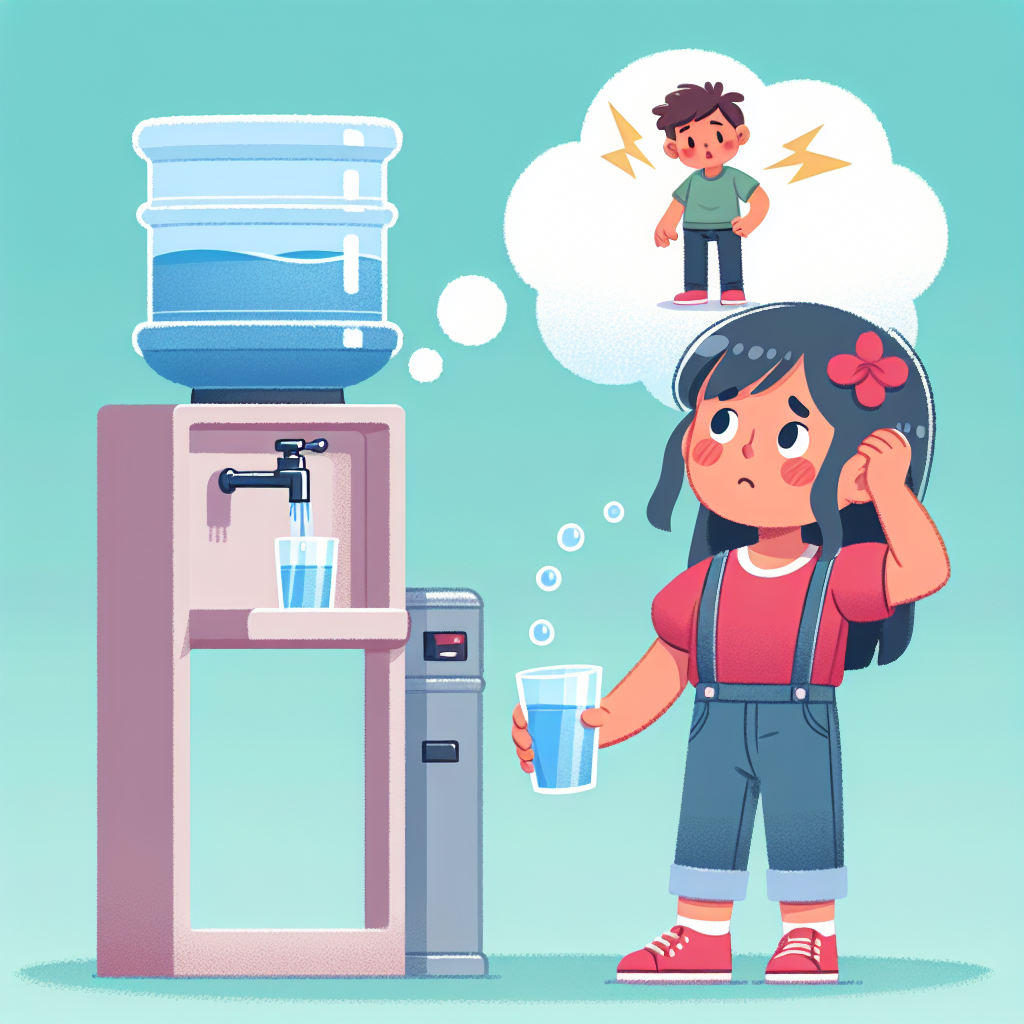
Hydration and Its Impact on Primary Headaches in Children
Primary headaches are a prevalent concern among children and adolescents, affecting their quality of life and daily functioning. Recent research highlights a strong connection between hydration and the occurrence and severity of these headaches. Understanding this link could pave the way for non-pharmacological interventions that can mitigate the impact of primary headaches in young populations.
The Importance of Hydration
Proper hydration is vital for numerous physiological functions, yet its role in headache management is often underestimated. A study from the University Medical Centre Ljubljana offers compelling evidence that increased fluid intake can significantly reduce the frequency and intensity of primary headaches in children.
Study Highlights
- Methodology: The study enrolled 60 children and adolescents diagnosed with primary headaches. They received personalized hydration recommendations based on Slovenian dietary guidelines.
- Outcomes: The intervention led to a marked increase in water intake from 5-8 glasses per day to 8-10 glasses, correlating with a reduction in headache frequency from 1-2 times per week to thrice monthly, and intensity scores from 7/10 to 5/10.
- Data Analysis: Hydration status improvements were evidenced by increases in total body water and extracellular water post-intervention.
Hydration as a Preventive Measure
Fluctuations in daily hydration can have profound effects on children prone to headaches. Increased fluid consumption could serve as a preventive measure, potentially reducing the need for pharmacological treatments that may carry side effects. The findings suggest hydration status is a modifiable risk factor that can be targeted through simple changes in daily routines.
‘This study provides novel evidence supporting adequate fluid intake as a significant factor in the non-pharmacological management of headaches among pediatric populations.’
Implications for School Settings
With children spending a significant portion of their day in school, integrating hydration strategies into school policies could be crucial. Schools could implement regular water breaks and ensure access to clean drinking water to support students’ overall health and cognitive performance.
Challenges and Opportunities
While the study’s findings are promising, more research is necessary to explore long-term effects and potential barriers to consistent hydration practices. Educators and caregivers must collaborate to teach children to recognize signs of dehydration and develop lifelong healthy habits.
Conclusion
As educators, parents, and healthcare providers, we understand the role of hydration in managing headaches, which can lead to improved health outcomes for children. This approach not only addresses immediate discomfort but also promotes sustainable practices that enhance children’s well-being and academic success.
For further insights, please explore the detailed methodology and results in the full study available on BMJ Nutrition.