Schooling Choices and Remote Options
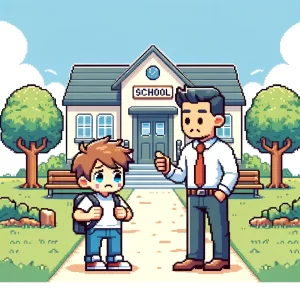
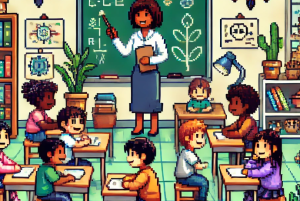
In a bustling elementary school, during a seemingly regular Monday morning, Sarah, a caring but overwhelmed third-grade teacher, glanced at her classroom from her cluttered desk. The kids, though small in stature, carried the cumbersome weight of their oversized backpacks and perhaps more significantly, the invisible baggage of emotional challenges.
A recent study reveals that more than 20% of students could benefit from an expanded choice of remote schooling options, offering a unique solution to issues like bullying revealed to have a real, tangible impact in our schools today.
Remote Learning: A Boon or Bane?
The traditional image of school has evolved rapidly, shaped in part by the coronavirus pandemic, which forced families to explore new educational territories. The pandemic’s unintended legacy might very well be its most profound in education, when unusual circumstances allowed families to reevaluate and choose schooling that fits their individual child’s needs (NBER Study)
Understanding the Impact
Before the pandemic, remote learning was often seen as less effective, but recent research turns this narrative on its head. For a notable subset of students, remote learning has been a golden ticket. Particularly for those who faced frequent bullying or preferred a quiet, self-paced environment, the shift to digital classrooms provided a refuge.
However, not all students experienced significant benefits. The average learner saw declines in math and reading scores but experienced impressive reductions in bullying incidents. The research shows that students’ learning environments critically shape their academic and emotional well-being
Behind the Scenes: Unraveling Preferences
The National Bureau of Economic Research released a working paper that explains why some parents opt for virtual schooling (NBER Paper). Through a series of surveys, it became clear why some choices align more closely with children’s needs. Using data, the researchers found negative impacts on academic achievement but positive outcomes for students’ emotional well-being, particularly regarding bullying.
Why This Matters Now
For parents, teachers, and educational policymakers, these findings offer actionable insights. If remote learning can meet a child’s academic, emotional, and social needs, schools can adopt a hybrid model. The pursuit of expanded choice shouldn’t aim only to address pandemic-era anxiety; it should instead forge a sustainable, tailored approach to future school systems.
Resilience Beyond the Numbers
Why should families and educators care so deeply about these findings? Beyond the clear reductions in bullying, the choice empowers children. It enables a more customized educational experience, nurturing confidence and resilience, and can cultivate lifelong mental health benefits. The study underscores that educational philosophies needn’t be one-size-fits-all but should mirror the diverse needs of students NBER Working Paper.
How Can We Make This Work?
Parents and educators should collaborate closely to better understand specific student needs. Schools can offer informational sessions to demystify the remote learning process for hesitant families. For policymakers, empowering schools with flexible funding can support diverse learning modes.
Your Move
Let’s reignite the conversation: How can our community better cater to its students’ divergent needs? What can we all do to ensure that every child’s educational journey is fulfilling and suitable?
Let’s Talk About It:
- What’s the biggest mental health challenge you see in schools today?
- How can schools better support students’ emotional well-being?
- What’s one school psychology insight that changed the way you parent or teach?
Join the conversation! Share your thoughts in the comments below, or start a discussion in your circles. It is through sharing and listening that we create environments where all children can thrive.