Shyness & Cyberbullying: School Tips
Did you know that shyness, a trait often seen as harmless, might play a hidden role in making some children cyberbullies?
As shocking as it sounds, this revelation offers profound insights into how we can better support children in school settings.
Understanding the Connection
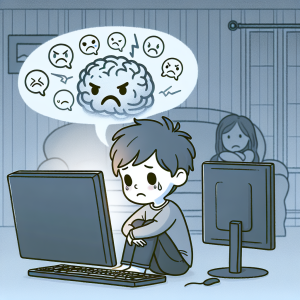
The research shows that shyness is not merely about being quiet or reserved. According to a study led by Xiaowei Chu and colleagues, shyness can be a springboard for negative emotions that can escalate into aggressive online behaviors. Imagine a shy child who feels left out or believes their peers are outperforming them. This can create feelings of anger and injustice, a phenomenon known as relative deprivation. The child might then turn to the online world, where anonymity feels safe, expressing bottled-up frustration through cyberbullying.
The Role of Negative Emotions
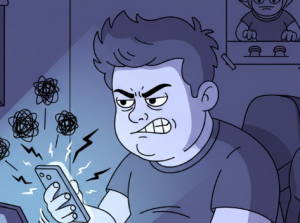
Anger rumination is another key factor. It’s like when kids replay a hurtful incident over and over in their heads. This mental cycle makes the anger feel as fresh as ever, sometimes causing them to lash out online rather than in person.
But why is it worse on the internet? Because the digital world’s anonymity often reduces fear of real-life consequences, it can make it easier for shy kids to express their frustrations through harmful words or actions.
Why Internet Morality Matters
Internet morality emerges as a surprising hero here. Think of it as the moral compass guiding their online actions. When children understand the impact of their digital behaviors well, cyberbullying tendencies significantly diminish. For instance, children with strong internet morality might refrain from bullying because their ethical sense acts as an internal check.
The study found that when internet morality is high, the links between shyness, anger rumination, and cyberbullying weaken dramatically. Essentially, this moral sense can transform how kids handle negative feelings, steering them away from online aggression.
So, What Can Schools Do?
Now that we know shyness and cyber behavior are more interconnected than they appear, schools play a crucial role. Here’s how:
- Boost Kids’ Internet Morality: Encourage activities that reflect on online ethics. Schools can integrate digital citizenship into the curriculum, with a focus on kindness and empathy in the digital environment.
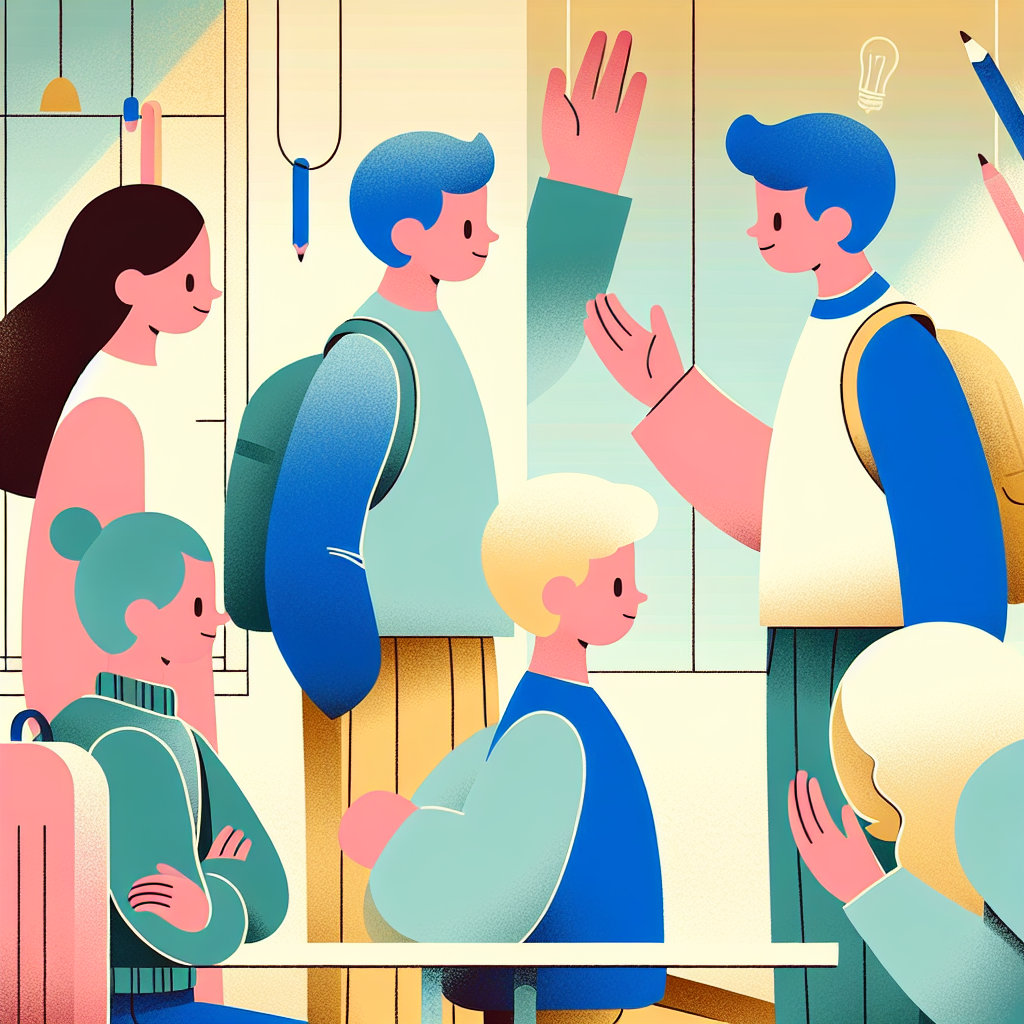
- Address Relative Deprivation: Build supportive environments where every student feels valued. Group activities and positive reinforcement can help children feel more included.
- Teach Emotional Coping Techniques: Introduce mindfulness programs to help children manage and process their emotions positively, reducing anger rumination.
Take Action: Small Changes, Big Impact
Parents and teachers, it’s time to start making changes based on these insights:
Start conversations with your children or students about online etiquette and the impact of their actions. Emphasize compassion and understanding. If a child seems particularly shy, work to ensure they feel included in the group to mitigate feelings of relative deprivation.
Let’s Talk About It
Engage your community in this discussion:
- What’s the biggest mental health challenge you see in schools today?
- How can schools better support students’ emotional well-being?
- What’s one school psychology insight that changed the way you parent or teach?
Join the conversation online and share your thoughts on how we can build more supportive school environments for all children.