
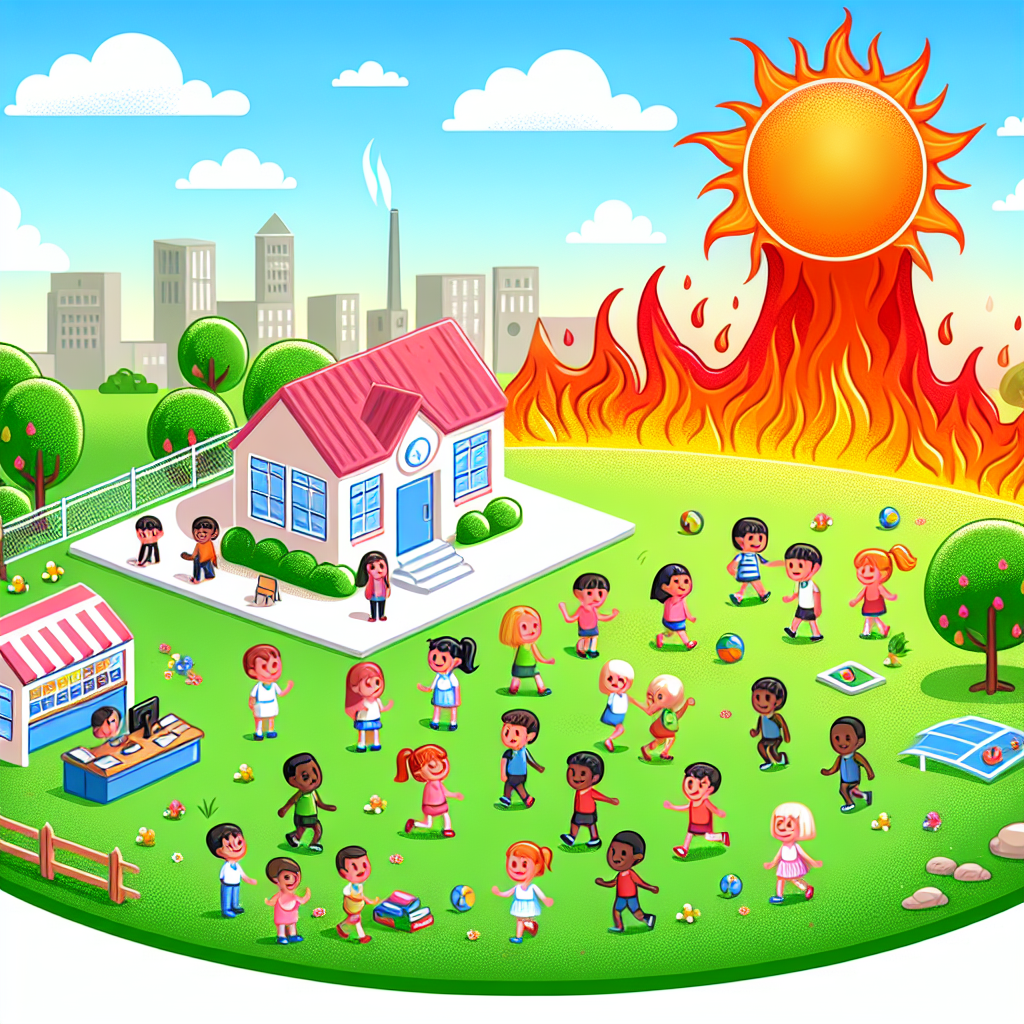
Rising Temperatures and Their Impact on Early Childhood Development
Recent research has revealed that rising temperatures can significantly hinder early childhood development, particularly affecting children’s cognitive and learning abilities. According to a study, children who grow up in hotter climates tend to delay reaching key learning milestones, especially in reading and basic math. This phenomenon is exacerbated in families facing economic hardships or with limited access to resources (Science Daily.)
Understanding the Link Between Climate Change and Child Development
Besides impacting the environment, climate change is now affecting the foundational stages of human life. It poses a threat not only to physical health but also to cognitive development, which is crucial in early childhood. The repercussions of these developmental delays are far-reaching, influencing academic performance and overall psychological well-being.
Mechanisms of Impact
The study suggests that higher temperatures may disrupt metabolic processes and brain functions critical for learning. Specifically, heat stress can impair cognitive function by causing dehydration or sleep disruption, both of which are vital for brain health and cognitive development.
- Dehydration: Consistently hot weather can lead to chronic dehydration, which affects brain structure and function.
- Sleep Disturbances: Elevated temperatures can disrupt sleep patterns, leading to insufficient rest, which is crucial for memory consolidation and learning.
- Inadequate Cooling and Resources: Children in low-income households suffer disproportionately due to a lack of access to cooling facilities and poor educational resources.
School Psychology’s Role in Mitigating the Effects
School psychologists play a pivotal role in addressing these challenges by implementing strategies that help children adapt and cope with the changes brought by rising temperatures. This includes:
Intervention Strategies:
- Cognitive Behavioral Techniques: Schools can integrate cognitive-behavioral strategies to help children manage stress and adapt to environmental changes.
- Resource Access: Connecting families with resources and educating them about hydration and nutrition can bolster physical and cognitive health.
- Environmental Adaptations: Encouraging the use of green spaces and proper ventilation in schools to provide children with a reprieve from heat.
Long-Term Educational Adjustments
Educators and policymakers should work together to redesign curricula that incorporate resilience-building exercises, environmental education, and mindfulness practices to enhance adaptability in children.
Conclusion
The evidence is clear that climate change is emerging as a critical factor in developmental psychology. School psychologists must advocate for policies that provide tangible support and resources to the most susceptible populations, ensuring that all children, regardless of their socio-economic status, can thrive in a warming world.
As we move forward, interdisciplinary approaches that integrate education, psychology, and environmental science will be essential to crafting comprehensive strategies to mitigate the developmental risks posed by rising temperatures. This holistic approach can help children achieve their full potential despite the environmental challenges ahead.