
The Early Signs of Autism in Kids
Inside Every Child’s Mind: A Moment That Changed Everything
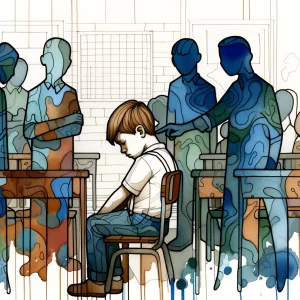
In a bustling elementary classroom, a teacher pauses mid-lesson, captivated by a curious pattern—a student, just six years old, seems entranced by the rhythm of tapping pencils rather than the words on the page. What does this tell us about the child’s mind?
Bridging Science and Everyday Classrooms
Many of us don’t realize that moments like these could signal underlying developmental differences. Researchers have developed tools to better understand these signs. The Autism Observation Scale for Infants (AOSI) could transform how we recognize early signs of Autism Spectrum Disorder (ASD) in children, guiding interventions that could change young lives.
What’s the Big Deal About Early Detection?
We know early intervention can change the trajectory of children at risk of autism. Yet, seeing a trained psychologist or specialist often comes too late. The question becomes: How can parents and teachers play a role in spotting these signs earlier, right within the school’s walls?
From Labs to Classrooms: The Science of Observation
Researchers have shown that children with developmental disorders may present subtle signs as early as infancy. For kids showing increased risk—those with siblings diagnosed with ASD or various syndromes like Fragile X—early noticing could mean earlier help.
The AOSI is a powerful observational tool used during routine check-ups to capture early behavioral manifestations. Its aim? Spot certain repetitive behaviors or intense interests—much like the rhythmic tapping scenario that sparked our journey.
A Matter of Time: Why Every Minute Counts
The timing of these assessments is critical. Research highlighted by the Review Journal of Autism and Developmental Disorders suggests that significant group differences emerge by 12 months of age. This could equate to invaluable months when early intervention strategies could be implemented.
Turn Research Into Action
What does this mean for our daily lives? Teachers and school counselors often spend more time with children than anyone else during the day. Their daily interactions can be essential in early detection and subsequent intervention.
An Urgent Call for Change: School’s Role in Early Detection
Schools should consider implementing staff training based on the AOSI findings. Imagine equipping school health professionals with enough knowledge to spot early signs, streamlining referrals for developmental assessments, and advocating for prevention strategies tailored to community needs.
Let’s Change the Future Together
As parents and educators, nurturing the whole child includes understanding both visible and invisible challenges in their developmental journey. By embracing research-backed methods like the AOSI, you’re supporting a future where every child can thrive.
What’s Next? Let’s Talk About It!
Join the Conversation:
- What’s the biggest mental health challenge you see in schools today?
- How can schools better support students’ emotional well-being?
- What’s one school psychology insight that changed the way you parent or teach?
Share your thoughts in the comments below or on social media. Let’s advocate for better school mental health policies.