How ADHD Stimulants Reveal New Insights into Sleep and Brain Functions
Recent research into ADHD stimulants has unraveled unexpected insights that could reshape how we understand brain functions, particularly related to sleep deprivation and cognitive processes. While these medications are conventionally used to enhance focus and attention in individuals with ADHD, studies reveal they might operate differently than previously thought.
The New Role of ADHD Stimulants
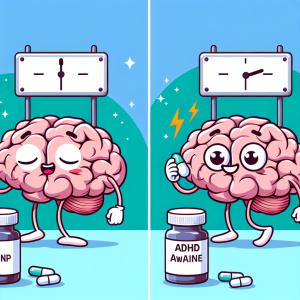
Traditionally, ADHD stimulants like Adderall and Ritalin were believed to work by sharpening attentional focus. However, a study published in ScienceDaily suggests their primary mechanism might involve awakening the brain rather than enhancing its focus. The stimulants activate reward and alertness systems, keeping individuals interested in tasks that might otherwise seem mundane.
The Link Between Sleep Deprivation and ADHD Drugs
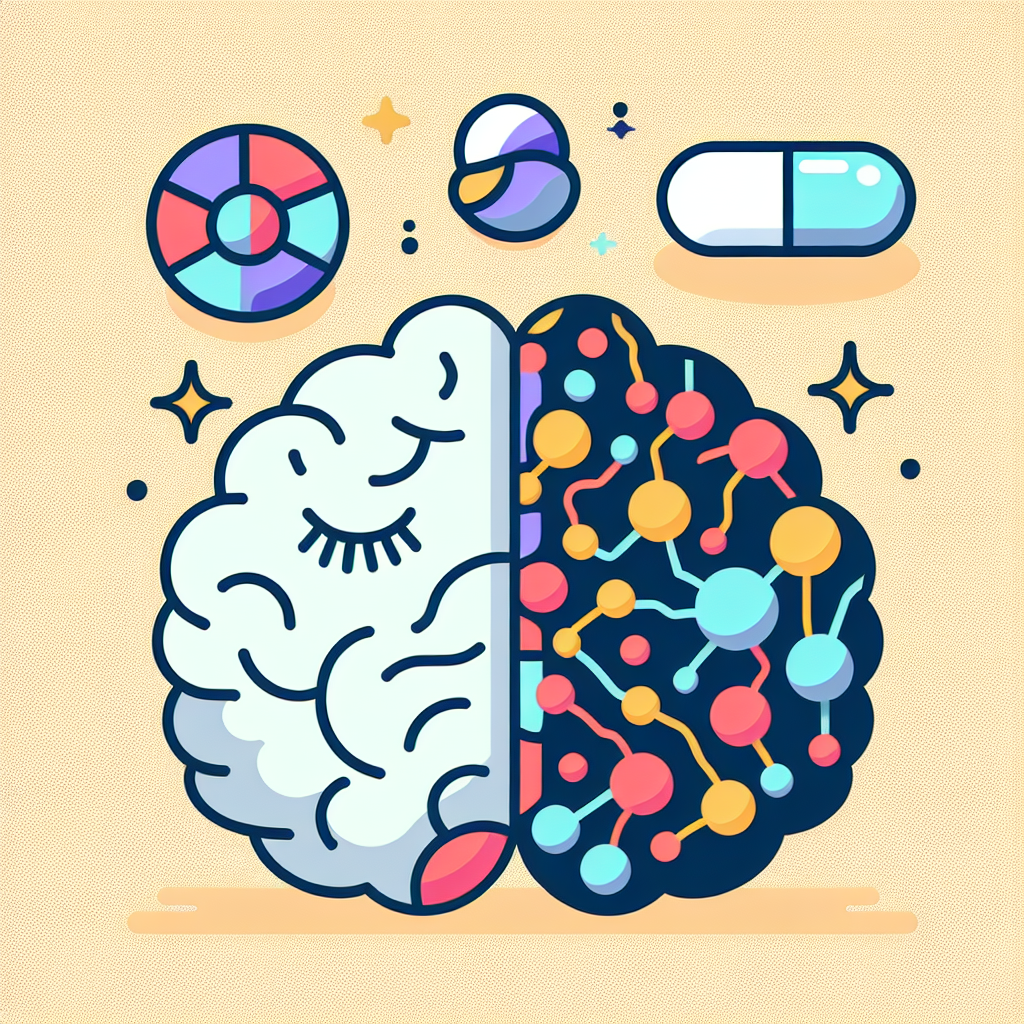
The brain alterations seen with ADHD stimulant use closely resemble patterns reversed by addressing sleep deprivation. This insight, highlighted by Psychiatrist.com, suggests that the reversal of brain patterns linked to lack of sleep could complicate ADHD diagnoses. If sleep issues are an underlying problem, simple stimulant medications might provide temporary relief without addressing root causes.
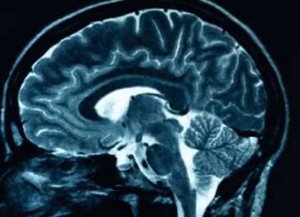
Brain scans reveal that these drugs not only enhance wakefulness but can also mimic patterns typical of sleep-deprived individuals. According to studies on NCBI Bookshelf, sleep deprivation has profound impacts on brain functions, affecting attention, working memory, and emotional regulation—all areas ADHD stimulants influence.
Implications for Diagnosis and Treatment
This new understanding poses questions about ADHD treatment protocols. Should physicians be more vigilant about diagnosing sleep disorders before prescribing stimulants? The notion that stimulants reverse sleep deprivation patterns suggests a potential need for integrated treatment approaches. Sleep hygiene and cognitive behavioral therapy to address sleep disorders could become pivotal complements to medication.
A Shift Toward Comprehensive Care
By recognizing that medications like ADHD stimulants also engage brain systems affected by sleep deprivation, healthcare providers may need to pursue more comprehensive care strategies. This might involve:
- Implementing routine sleep assessments for children and adults diagnosed with ADHD.
- Exploring non-pharmaceutical interventions for those who present with symptoms potentially linked to sleep issues.
- Educating patients about the importance of healthy sleep habits and their interplay with cognitive and emotional health.
The Road Ahead
The research underscores the complexity and interconnectedness of brain functions, emphasizing that conditions like ADHD cannot be addressed by medications alone. As studies continue to explore the intricate ways in which mental health conditions interact with lifestyle factors like sleep, the path toward individualized care becomes increasingly clear.
For parents, educators, and medical professionals, being informed about these emerging research insights helps in formulating practices that address both immediate symptoms and underlying health needs. Through a holistic approach, we can foster environments in schools and homes that prioritize not only academic and behavioral achievements but also mental wellness and cognitive resilience.