Antisocial Behaviors in Schools: Connections to Isolation
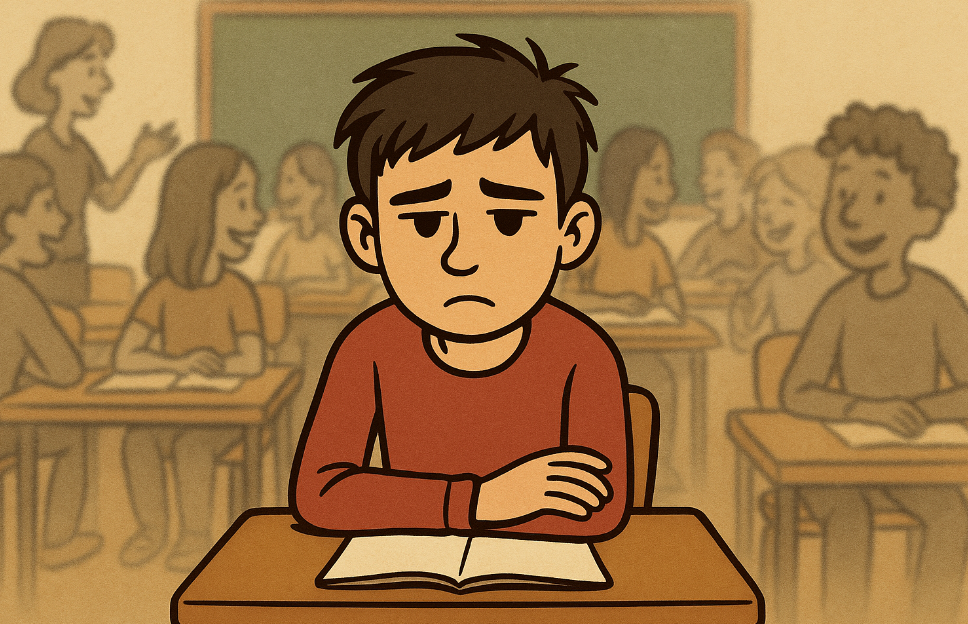
Think about this—a teenager, surrounded by friends on the playground, yet feeling utterly isolated. You might raise an eyebrow at this paradox, but it’s a scenario too common in schools today.
Studies have shown that the number of friends a child has can paradoxically lead to antisocial behaviors, particularly in boys. What’s going on in the minds of our children? And how can we, as parents and educators, steer them to make positive choices?
Breaking Down the Mystery of Antisocial Behavior
Recent research from Shandong University explored factors affecting antisocial behaviors in adolescents, using advanced predictive models such as random forests and logistic regression to achieve their results. This detailed study involving over 18,000 students reveals vital insights into how different factors, such as parental expectations and smoking behaviors, impact antisocial tendencies in boys and girls.
Why Should We Care?
Imagine educational expectations as Janus, the two-faced Roman god. On the one hand, parental expectations drive academic achievement and structured routines. On the flip side, unrealistic goals can spur increased antisocial behaviors. Just like when a high jumper sets the bar too high, the inevitable crash may follow.
For educators and parents, understanding the pressure-cooker dynamics of adolescence can help balance expectations, fostering environments of support rather than stress.
The Complexity Under the Hood: Diverse Factors
The random forest model highlights eight significant factors influencing antisocial behavior, with specifics unique to each gender. Smoking emerges as a critical influencer—imagine nicotine as a conductor, orchestrating a symphony of aggressive and impulsive actions in the adolescent brain.
Why Boys and Girls Are Different
Boys and girls respond differently to these influences. Boys are often affected by the number of friends they have and rural living conditions, while girls are impacted by socioeconomic conditions. This crafting of social identities is both specific and universal, as beautifully described by the social bond theory.
Understanding the Outcomes: Bringing Research to Life
Now, let’s zoom in on daily lives. High educational expectations in families have proven to mitigate antisocial behavior. This connection suggests that instead of enforcing a relentless pursuit of excellence, parents should act as co-architects of their children’s dreams, replacing anxiety with confidence.
Real-world Applications
- School Strategies: Schools can incorporate mentoring programs that focus on enhancing positive social ties.
- Parental Guidance: Offer workshops that coach parents on setting realistic educational and social expectations.
Conclusion: A Call to Action
As we navigate these challenges, it’s crucial to take actionable steps both at home and in schools to bridge gaps in understanding adolescent needs. Let’s foster open dialogues about mental health and environments of growth, not just achievement.
Let’s Talk About It
I’d love to hear your thoughts. Share in the comments:
- What’s the biggest mental health challenge you see in schools today?
- How can schools better support students’ emotional well-being?
- What’s one school psychology insight that changed the way you parent or teach?
Together, we can create a supportive environment that encourages healthy social behaviors, helping our children thrive in and out of the classroom.