
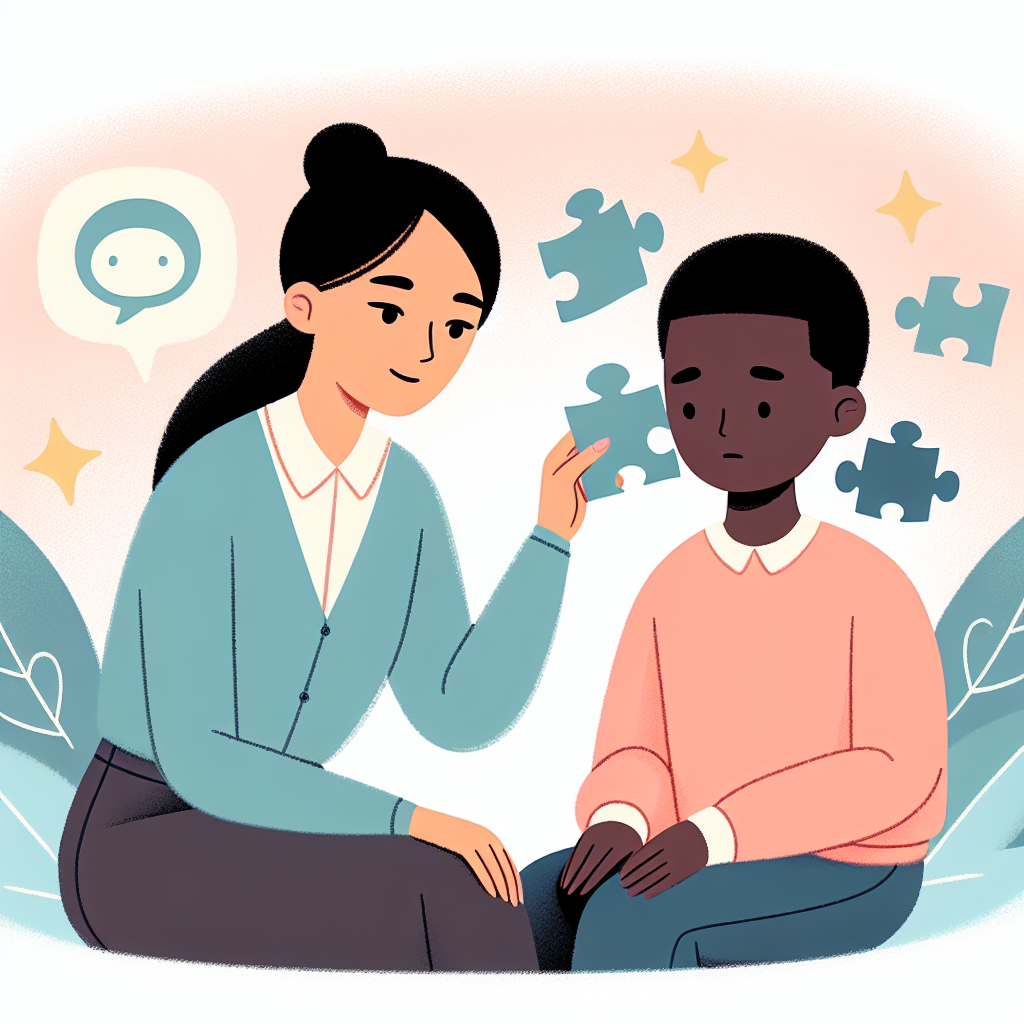
Discrimination and Mental Health in School Settings
Did you know that a surprising number of students feel more supported by peers than their own family? This might not come as a shock to parents and teachers navigating the complex tapestry of adolescence. Many kids, particularly those from marginalized backgrounds, often find school to be both a battleground and a sanctuary in their mental health journey.
The Real-Life Impact of School-Based Support
Let’s dive into some research without getting tangled in complex terms. Recent studies reveal that young people from minority groups, notably BAME (Black, Asian, and Minority Ethnic) teens, encounter a higher level of victimization which greatly affects their mental health. The startling part is how closely these experiences are linked to feelings of loneliness and emotional distress among these adolescents (source)
Within school walls, victimization isn’t just about physical bullying—it’s also about the subtler, yet deeply stinging, experiences of discrimination. And here’s the kicker: support from families, though vital, often doesn’t fully buffer these negative impacts.
Why We Need Schools to Step Up
Why is the role of schools so crucial here? School is where children spend the majority of their time; it’s their secondary home. According to insights gathered from the Understanding Society Youth Panel in the UK, experiences of victimization negatively impact family bonds, which are integral to a child’s resilience against internalizing problems like depression and anxiety (source).
White females reported verbal bullying at higher rates, while BAME females had broadened experiences of discrimination. Surprisingly, BAME males exhibited a stronger link between victimization and internalizing problems, elucidating a nuanced interplay between race, gender, and mental health.
Classroom Moments that Matter
The school’s role in fostering a supportive environment cannot be overstated. Picture a classroom where teachers actively integrate discussions about diversity and inclusivity. This proactive stance does more than educate—it validates every child’s experiences and provides a safety net, allowing open communication between students and teachers.
‘Think of school as not just a place of learning, but a fountain of support and understanding for every child who walks through its doors.’
Teachers can serve as crucial allies, building bridges through structured programs that emphasize emotional intelligence and peer support networks, effectively addressing students’ day-to-day concerns.
Actionable Strategies for Today’s Schools
- Implement Anti-Bullying and Diversity Programs: These aren’t just buzzwords but critical initiatives that create safer, more inclusive environments.
- Encourage Open Dialogues: Train teachers to facilitate discussions on race-related and emotional issues, enhancing empathy and understanding among students.
- Strengthen Family-School Partnerships: Organize workshops and parent meetings focused on building family resilience against the impacts of discrimination.
A Call for Advocacy and Change
Education professionals and parents alike can take these steps today to forge a pathway toward better mental health outcomes for children. Advocating for stronger mental health policies within curricula and school governance can spearhead transformative changes for future generations.
After reading this, what steps will you take in your school or community to ensure that every child feels supported, not just heard?
- What’s the biggest mental health challenge you see in schools today?
- How can schools better support students’ emotional well-being?
- What’s one school psychology insight that changed the way you parent or teach?
The conversation isn’t over once the school bell rings—it’s just beginning. Together, educators and parents can make a world of difference in shaping healthier, happier young minds.