When Online School Hurts Kids
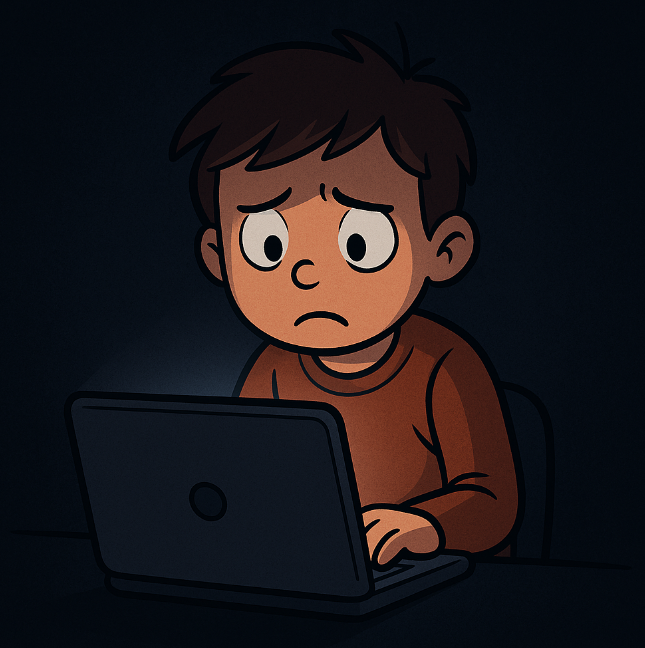
A ninth grader logs in from their bedroom. No hallway noise. No late bell. No awkward group work. On paper, it looks like the perfect setup for a stressed-out teen.
But here’s the gut punch: students who attend fully online cyber charter high schools are far less likely to graduate, go to college, or stick with college once they enroll—even though they often show better attendance on paper.
That tension—showing up without truly engaging—is at the heart of a growing concern for parents, educators, and school psychologists.
Let’s talk about what’s really going on.
The Promise That Hooked Families
Cyber charter schools exploded in popularity over the past decade. Between 2015 and 2020, enrollment nationwide grew nearly tenfold. Real needs drew in families:
- Teens with anxiety or bullying histories
- Students with chronic illness
- Kids who struggled in traditional classrooms
- Rural families with limited school options
On the surface, online school seems like a mental-health-friendly alternative: fewer social stressors, flexible pacing, and learning from home. But flexibility without structure can quietly turn into disconnection.
The Study That Raised Red Flags
- Traditional public high schools
- Brick-and-mortar charter schools
- Fully online cyber charter schools
The findings were stark—and consistent. Students who enrolled in cyber charter high schools in 9th grade were:
- 9.5 percentage points less likely to graduate
- 16.8 points less likely to enroll in college
- 15.2 points less likely to stay in college beyond one semester
These patterns held across race, income, and location.
This wasn’t just about “which kids choose online school.” The negative outcomes kept appearing.
The Attendance Paradox
Here’s the part that really messes with our intuition. Cyber charter students actually had higher attendance rates and were less likely to be labeled chronically absent.
So what gives? In many online schools, attendance can mean:
- Logging in
- Clicking through modules
- Sending a brief message
But attendance ≠ engagement. From a child development lens, this matters deeply. Adolescents don’t just need content—they need:
- Feedback loops
- Social cues
- Accountability
- Emotional connection
Without those, learning becomes shallow and motivation erodes.
Why This Hits Mental Health So Hard
Teen brains are still under construction. Executive function, self-regulation, and future planning are works in progress.
Online environments demand adult-level skills from kids who are still developing them. Here’s what school psychologists often see in cyber settings:
- Isolation disguised as independence
- Avoidance replacing coping
- Anxiety temporarily soothed—but never addressed
- Fewer trusted adults noticing warning signs
A student can struggle silently for months behind a screen. In a physical school, distress leaks out—in behavior, mood, attendance, peer conflict. Online, it can stay invisible.
Brick-and-Mortar Charters Tell a Different Story
Not all charter schools showed negative outcomes. Students in brick-and-mortar charter high schools had:
- Similar or slightly better academic outcomes
- Better attendance
- Higher rates of four-year college enrollment for some groups
Especially for Black and economically disadvantaged students, these schools sometimes offered stronger supports and clearer pathways. The difference wasn’t the charter model. It was the human infrastructure.
What This Means for Parents
If you’re considering or already using online schooling, ask hard questions:
- How often does my child interact live with teachers?
- Who checks in when motivation drops?
- What happens if my child stops engaging—but keeps “logging in”?
- Is this helping them grow—or helping them hide?
Online school may be appropriate short-term for specific needs. But as a long-term default, it carries real risks.
What This Means for Schools
Schools are being asked to solve youth mental health crises with limited tools. This research suggests clear priorities:
- In-person relationships matter
- Monitoring engagement matters more than attendance
- Adolescents need scaffolding, not just flexibility
Hybrid and virtual programs must be designed around developmental needs, not convenience.
What This Means for Policy
Cyber charter schools operate with far less oversight—despite evidence of worse long-term outcomes. That should concern all of us. If a school model consistently reduces graduation and college persistence, we have to ask:
- Should it expand?
- Should it be regulated differently?
- Should mental health supports be mandatory?
This isn’t about banning online learning. It’s about protecting kids during a vulnerable developmental window.
The Big Question We Can’t Ignore
If a student “attends” every day but slowly disconnects from learning, peers, and future goals—did school actually show up for them?
Let’s Talk About It
💬 Join the conversation:
- What’s the biggest mental health challenge you see in schools right now?
- When does flexibility help kids—and when does it hurt?
- What’s one change your school could make to better support students emotionally?
If this sparked something for you, share it with a parent group, a counselor, or an educator who needs to see it. Kids’ futures depend on us getting this right.