
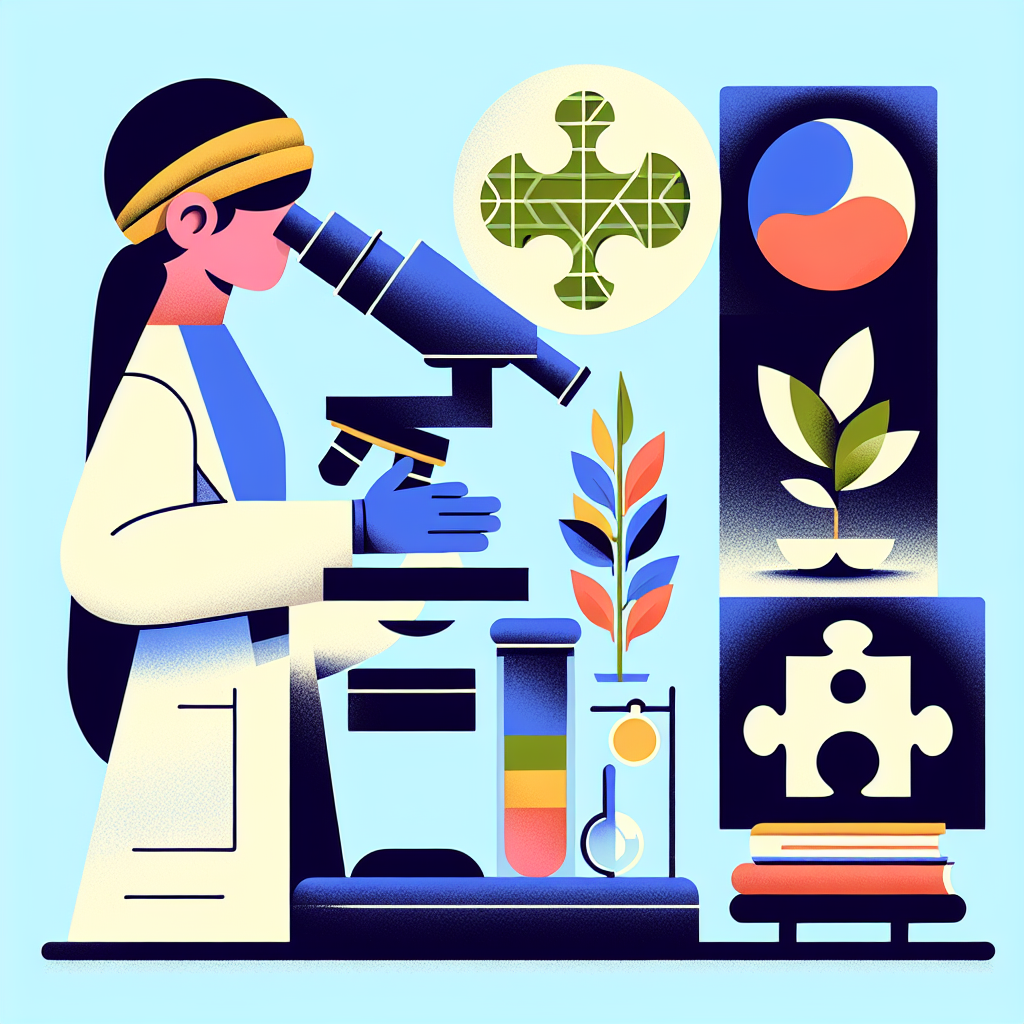
Alternative Autism Treatments Under the Microscope: What’s Truly Effective?
Autism Spectrum Disorder (ASD) has seen a proliferation of alternative treatments promising substantial improvements in symptoms, yet a recent comprehensive review raises substantial doubts about their efficacy and safety. With the dramatic rise in autism diagnoses, many parents and educators seek out non-conventional therapies, ranging from probiotics to acupuncture. However, a detailed analysis by researchers has scrutinized data from numerous studies to uncover the reality behind these alternative options.
Breaking Down the Research
Spanning decades, the review assessed hundreds of therapies, revealing that many lacked significant evidence of effectiveness. A particular concern is the widespread use of therapies that are not only ineffective but have not undergone rigorous trials to assess their safety. Examples include dietary supplements and therapeutic interventions like music therapy, which, although popular, often fail under scientific scrutiny.
Risk vs Reward: Safety Concerns
One of the major takeaways from the findings is the consistent overlook of potential side effects. The safety measures standard in mainstream medical treatments are often absent in these alternatives. The review points notably to the potential ramifications of unchecked interventions, which might not be inherently harmful but could unintentionally cause unforeseen issues.
The Challenge for Parents and Educators
For parents and educators involved in the realm of school psychology, separating fact from hopeful fiction can be an arduous task. There’s often a strong desire to explore all possible avenues for the welfare of a child or student with autism. However, this beats the importance of relying on thoroughly vetted information and steering clear of unverified claims.
Spotlighting Credible Therapies
As the scientific community continues to investigate autism, some therapies have emerged with more promising evidence. Behavioral interventions such as Applied Behavior Analysis (ABA) and occupational therapy are consistently supported by data demonstrating positive outcomes. These therapies focus on improving functional independence and strengthening social skills among autistic children.
The Value of Peer Support
Another noteworthy point the study made was the psychological impact on parents and caregivers searching for treatments. Peer support groups and networks offer a substantial buffer, helping parents exchange verified information, reduce feelings of isolation, and make informed decisions.
Looking Ahead: Informed Decisions in Education
Given the conclusions drawn by the review, how should schools adapt? As champions for their student populations, school psychologists and educators must advocate for resources, awareness, and education surrounding effective treatments. Schools can play a pivotal role by partnering with credible research bodies to host workshops and arm teachers and parents with up-to-date data.
- Educators and school psychologists need to develop strategies supported by a robust evidence base.
- Employ techniques such as periodic assessments and feedback to refine educational approaches continuously.
- Promote an ecosystem of knowledge sharing within schools to bolster support systems for autistic students.
Conclusion
The realm of autism therapies is evolving, and while the allure of quick fixes and novel therapies is strong, the demand for evidence-based approaches is crucial. By fostering informed decision-making, emphasizing safety, and encouraging collaboration between schools and scientific entities, we pave the way for a brighter future for students with autism. As parents, educators, and psychologists work in tandem, the focus should remain on holistic, verified strategies that genuinely elevate the quality of life for those on the autism spectrum. For further insights, visit the full study here.