
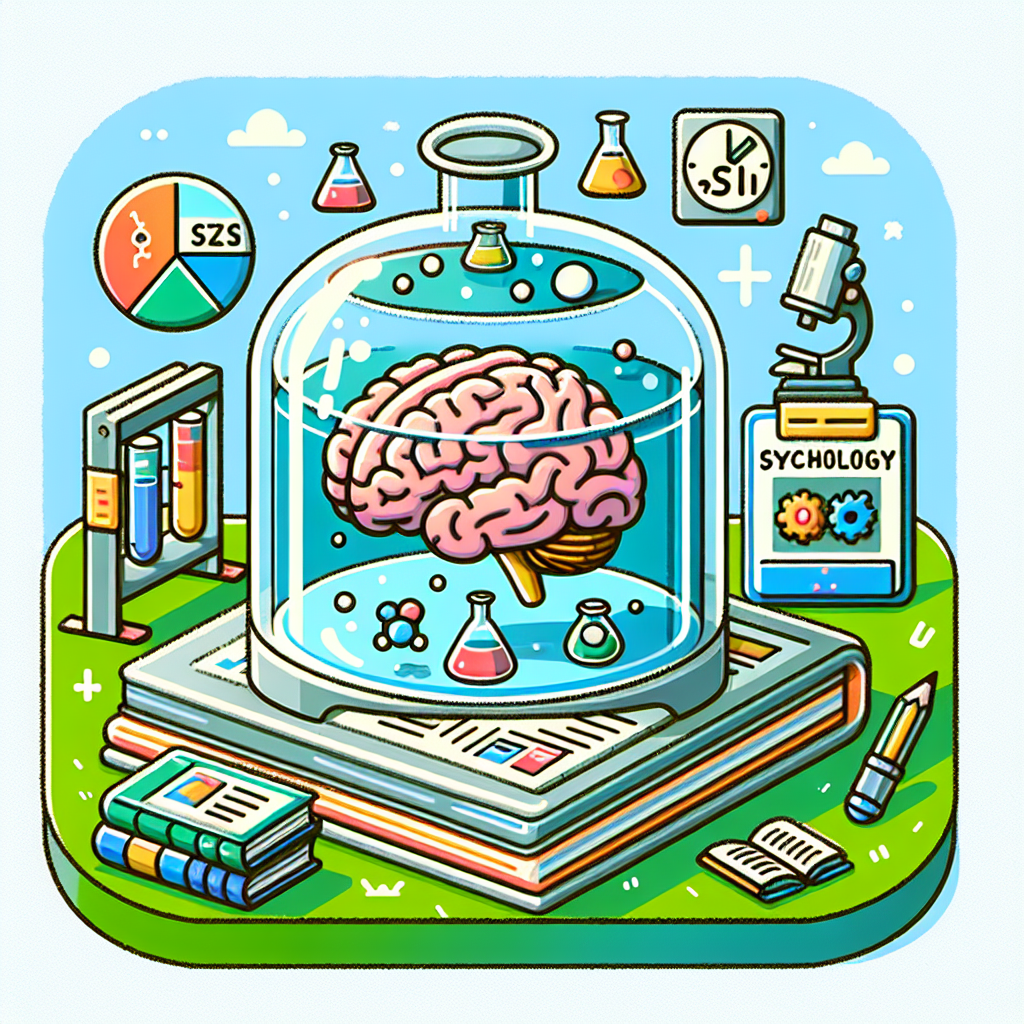
Lab-Grown Mini Brains: Shedding Light on Schizophrenia
The intersection of neuroscience and psychology continues to yield profound insights, with recent developments in lab-grown “mini brains” opening the door to better understanding and intervention strategies for conditions like schizophrenia and bipolar disorder. But how does this relate to the educational environment?
Mini Brains: A Revolutionary Tool
Researchers have utilized organoids, or miniaturized organ models, to uncover distinct neural patterns associated with schizophrenia and bipolar disorder. These mini brains are not only revolutionizing our understanding of mental disorders but also influencing school psychology by potentially guiding early intervention strategies.
Understanding Schizophrenia and Bipolar Disorder
Schizophrenia and bipolar disorder, both profound neurological conditions, significantly affect cognitive functioning—a crucial concern in educational settings. Disrupted neural activity patterns revealed by mini-brains can lead to more accurate diagnostic criteria, essential for tailoring educational environments to better support affected students.
Educational Implications
The application of these findings in school psychology could lead to:
- Early identification: Recognizing at-risk children sooner could facilitate timely interventions.
- Customized learning plans: Insights into specific neural disruptions enable personalized educational approaches that accommodate and harness individual learning potentials.
- Improved support systems: School psychologists can develop more effective support strategies that address neurodiverse needs, reducing the stigma and isolation often faced by these students.
Challenges and Considerations
While exciting, these advancements bring their challenges:
- Ethical concerns: The ethical implications of manipulating brain tissue, even in organoid form, must be navigated with caution.
- Resource allocation: Implementing such personalized education plans requires significant resources and training, which might not be feasible for all institutions.
- Integration into current systems: Current educational frameworks may require substantial reform to fully integrate new insights from neuroscience.
Future Directions
Looking forward, the collaboration between neuroscience and school psychology could initiate groundbreaking educational models. These would focus not only on cognitive outcomes but also on fostering a nurturing, inclusive learning environment.
Moreover, these findings challenge us to reassess our understanding of neurological diversity, encouraging a shift towards a more inclusive and scientifically informed educational system.
As school psychologists increasingly integrate these insights, we are poised to make significant strides toward equitable education for all by recognizing the unique neurological footprints of each student.