When Parents Burn Out, Kids Feel It
At 8:17 a.m., a second grader melts down over a broken pencil. By lunchtime, a middle schooler snaps at a teacher for asking them to redo an assignment. By dismissal, a kindergartener refuses to get on the bus.
We often call these “behavior problems.” But what if part of the story is happening at home—long before the school bell rings?
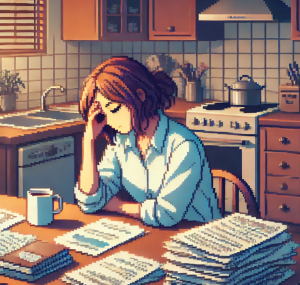
A new study following burned-out parents day by day uncovered something unsettling: when parents reach severe burnout, their emotional state becomes sticky. It carries over from one day to the next, barely budging—even when life around them changes. And that matters a lot for kids.
This isn’t about blaming parents. It’s about finally seeing the invisible stress systems shaping children’s mental health—and realizing schools are already part of the solution.
Burnout Isn’t Just “Being Tired”
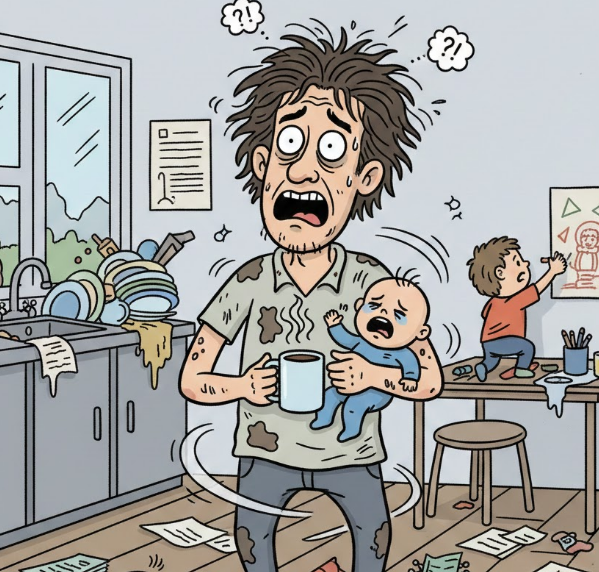
Parental burnout isn’t the same as having a rough week. Psychologists define it as a chronic state marked by:
- Deep emotional exhaustion
- Feeling emotionally distant from your child
- Feeling fed up with parenting
- Grieving the parent you used to be
In the study, researchers didn’t rely on one survey or a single snapshot. Instead, they asked parents—mostly mothers—short questions every evening for eight weeks about their stress, their kids’ behavior, and daily family life.
The Shock: Burnout Becomes Self-Perpetuating
Here’s the jaw-dropper: once parents entered a severe burnout state, their feelings of exhaustion, distance, and frustration predicted themselves the next day.
In plain terms: If a parent felt emotionally checked out today, they were very likely to feel emotionally checked out tomorrow—no matter what else happened.
Even more striking, as burnout severity increased, parents became less sensitive to their surroundings. Extra help. A calmer day. Fewer conflicts. None of it reliably shifted how burned out they felt.
Think of burnout like a smoke detector with a dead battery. The house could be on fire—or perfectly calm—and the alarm doesn’t change.
One Thing Still Cuts Through the Fog
There was one consistent exception: positive moments with children.
Not more time. Not more activities. But brief, genuine moments of warmth or connection.
On days when parents shared positive interactions—laughing together, a calm conversation, a kind exchange—they felt less emotionally distant the next day.
That detail matters for schools. Because it tells us that quality beats quantity, and emotional connection can still reach kids even when adults are overwhelmed.
Why This Shows Up in Classrooms
Children don’t leave family stress at the door. When caregivers are emotionally depleted, kids often show it through:
- Reduced emotional regulation
- Increased irritability or shutdown
- Trouble focusing
- Heightened sensitivity to stress
From a child’s perspective, emotional distance at home can feel like unpredictability or rejection—even if the parent deeply cares.
And here’s the key school insight: Children’s behavior may be signaling adult burnout, not defiance.
What Schools Can Do—Starting Now
This research doesn’t call for more worksheets on feelings. It calls for system-level compassion paired with practical support.
1. Shift How We Interpret Behavior
When a child struggles repeatedly, ask:
- What stress systems surround this child?
- Are caregivers overloaded, isolated, or burned out?
This reframing alone can reduce punitive responses.
2. Prioritize Micro-Connections
Short, positive interactions matter more than long interventions:
- A warm check-in at the door
- A trusted adult noticing effort
- A moment of shared humor
These moments mirror the same protective factor found at home.
3. Support Parents Without Judging Them
Schools can:
- Normalize conversations about caregiver stress
- Share resources without shame
- Partner with counselors, school psychologists, and community supports
Burnout thrives in silence. Support weakens it.
4. Advocate for Family-Centered Mental Health Policies
The study makes one thing clear: burnout doesn’t fix itself. Parents often need structural help, not just coping tips. That means:
- Access to childcare supports
- Family-friendly school policies
- Mental health services that treat parents and children as connected systems
The Bigger Picture: Resilience Is Relational
We often talk about teaching kids resilience—as if it were an individual skill they could build on their own.
But this research reminds us: resilience grows through relationships. When those relationships are strained by chronic stress, kids feel it. When they’re supported—even briefly—kids benefit.
Schools are already powerful emotional ecosystems. They don’t need to replace families. But they can buffer stress, restore connection, and interrupt burnout cycles before they spill further into children’s lives.
What You Can Do This Week
For parents: Aim for one small, positive moment a day. Not perfection. Just presence.
For educators: Notice effort before correction. Connection before consequence.
For school leaders: Invest in family-aware mental health strategies, not just student-only ones.
Let’s Talk About It
Children’s mental health doesn’t exist in isolation—and neither does parental burnout. Conversation is the first step toward change.
Join the discussion:
- What’s the biggest mental health challenge you see in schools right now?
- How can schools better support caregivers, not just students?
- What’s one insight from psychology that changed how you parent or teach?
Share your thoughts, pass this along, and keep the conversation going.