
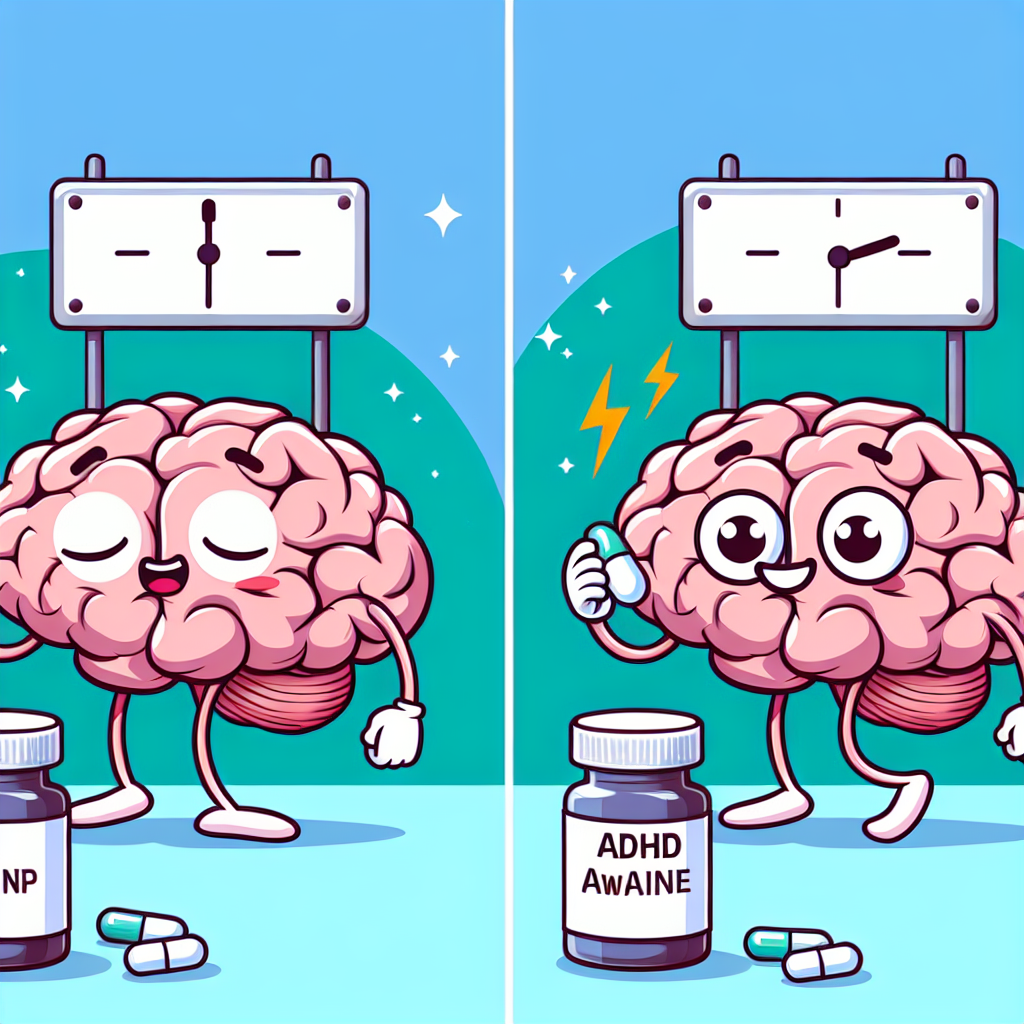
Understanding the True Impact of ADHD Drugs: Waking Up the Brain
Recent findings suggest that ADHD medications, commonly thought to function primarily by improving focus, actually operate by waking up the brain. This can have profound implications for both understanding ADHD treatments and aligning therapies more closely with individual needs.
The Real Mechanism Behind ADHD Medications
Traditionally, ADHD stimulants such as Ritalin were believed to work by sharpening attention. However, new research suggests these drugs might primarily activate the brain’s reward and alertness systems. This process helps maintain interest in tasks that might otherwise be avoided.
The supporting research, highlighted by ScienceDaily, indicates that brain scans show increased activation in regions associated with reward and alertness. These areas are crucial for maintaining engagement with both academic and day-to-day activities, offering a new perspective on why these medications might sometimes help even without directly improving attention.
Implications for Diagnosis and Treatment
Understanding that these medications operate by waking up the brain suggests that ADHD might sometimes be misdiagnosed when sleep issues underlie symptoms. This correlation was addressed in a HomeWord article, suggesting that the link between ADHD and sleep deprivation could complicate accurate diagnoses.
Broader Understanding and Future Directions
Researching ADHD through the lens of sleep and alertness opens up avenues for new therapies. For instance, interventions that address sleep problems could complement existing treatments, enhancing outcomes without solely relying on medications.
Moreover, this perspective strengthens calls for more personalized treatments that consider a patient’s full life, including sleep patterns, diet, and even exercise routines. Mindfulness and cognitive-behavioral therapies are increasingly recognized as valuable adjuncts that focus on behavioral adjustment and stress management.
The Role of Sleep and Behavioral Therapy
One element often overlooked in ADHD treatment is the role of quality sleep. Given how stimulants like Ritalin impact the brain, it may be beneficial to address underlying sleep issues first. Behavioral therapies that promote better sleep hygiene could lead to significant improvements in managing ADHD.
- Consider sleep assessment as part of ADHD diagnosis.
- Incorporate cognitive behavioral therapy for managing ADHD symptoms.
- Focus on individualized treatment plans balancing medication with lifestyle changes.
This shift in understanding prompts a reevaluation of ADHD diagnosis and treatment strategies. Integrating insights into how stimulants wake up the brain could diminish misdiagnosis rates and refine treatment scopes, making them more aligned with each individual’s needs.
Conclusion
With ADHD arising as a prevalent concern in modern education and pediatric healthcare, understanding its nuanced nature is more critical than ever. The realignment from a purely focus-sharpening model to an activation-based approach underscores the complexity of ADHD and the need for comprehensive, multifaceted therapeutic plans. As both parents and medical practitioners consider these insights, there’s promise for more effective and personalized strategies that better cater to the diverse needs of those impacted by ADHD.
These emerging insights serve as a call to action – one that inspires ongoing research, open dialogue between caregivers and professionals, and an unwavering commitment to evolving our understanding of ADHD in light of new findings.