
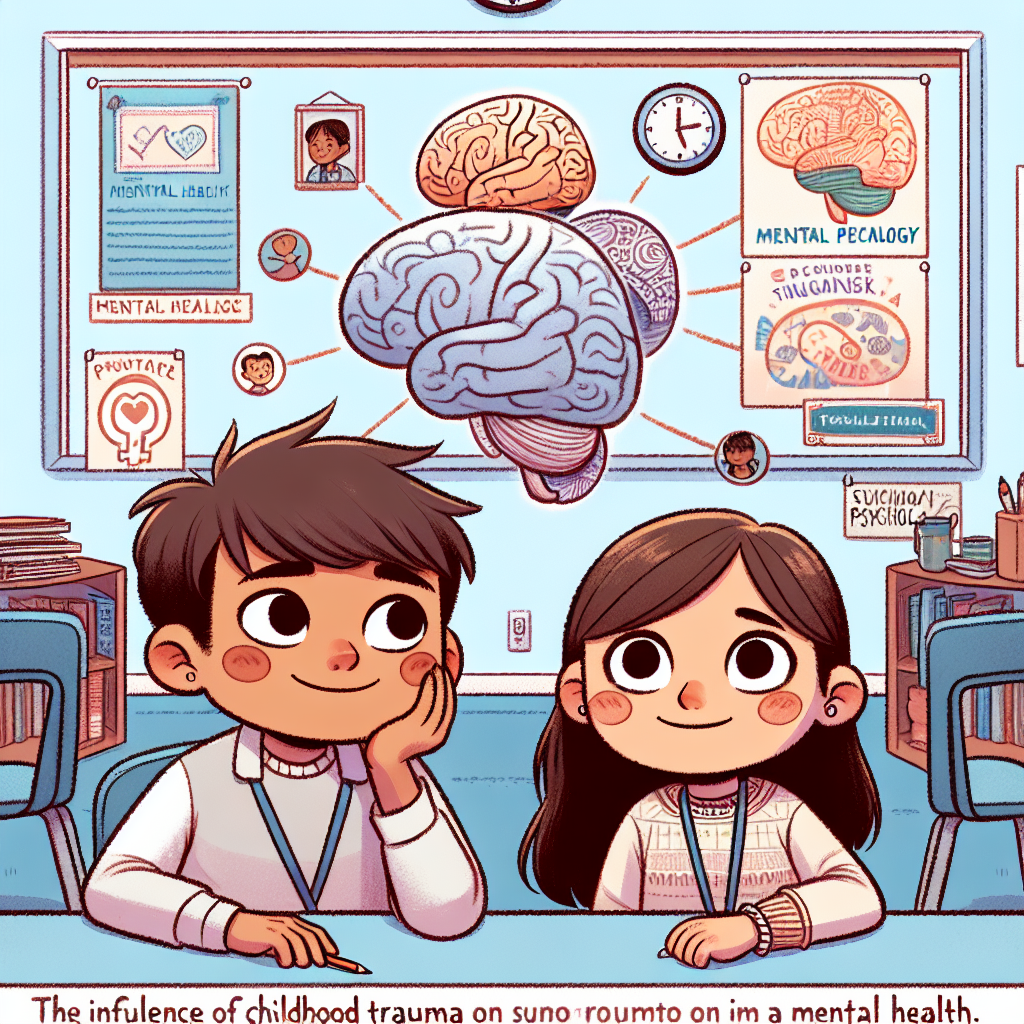
Childhood Trauma and Mental Health
Childhood trauma, an often hidden facet of developmental challenges, is gaining recognition for its profound impact on mental health and educational outcomes. By understanding this intricate relationship, school psychologists can develop effective interventions to support affected students. This blog delves into the latest research insights and strategies for addressing childhood trauma within educational settings.
Childhood Trauma: A Hidden Barrier
With its roots often obscured by stigma or lack of awareness, childhood trauma includes experiences of abuse, neglect, or household dysfunction. Such experiences can derail emotional and cognitive development, leading to long-term psychological and behavioral issues. In the context of school psychology, these traumatic experiences can manifest as academic difficulties, behavioral problems, and emotional dysregulation.
Neurobiological Consequences
The effects of childhood trauma on the developing brain are profound. Research highlights how continuous stress alters brain architecture, particularly affecting the hippocampus, prefrontal cortex, and amygdala. These regions are crucial for memory, executive functioning, and emotional regulation. Consequently, students often struggle with attention, learning, and impulse control, placing them at a disadvantage in academic environments.
Psychological and Social Impacts
Psychologically, trauma-exposed children are at higher risk of anxiety, depression, and post-traumatic stress disorder (PTSD). Socially, they may struggle with interpersonal relationships and exhibit inappropriate responses to stress, leading to conflicts in classroom settings. Studies show a correlation between early trauma and adverse mental health outcomes, emphasizing the need for targeted psychological interventions.
Trauma-Informed Educational Practices
Incorporating trauma-informed care within the educational framework helps create a supportive environment for affected students. This approach involves understanding trauma’s prevalence and impacts, recognizing trauma symptoms, and integrating knowledge into policies and practices.
Key Strategies
- Building Safe Environments: Prioritize physical and emotional safety in schools, creating spaces where students feel secure and supported.
- Fostering Trusting Relationships: Train educators to build positive relationships with students to establish a sense of trust and stability.
- Cultivating Resilience: Implement programs that focus on resilience-building activities, helping students develop coping mechanisms and emotional regulation skills.
- Collaboration with Mental Health Professionals: Schools should collaborate with child psychologists and social workers to provide comprehensive care.
These strategies align with recommendations from various educational bodies advocating for trauma-informed systems that accommodate students’ unique needs arising from traumatic experiences.
Case Studies and Success Stories
Implementing trauma-informed practices has led to significant improvements across various schools. For example, schools that introduced mindfulness programs and therapeutic activities reported reductions in anxiety and behavioral issues, showcasing the transformative potential of such interventions.
Conclusion
Addressing childhood trauma within educational settings requires a concerted effort, blending psychological insight with educational strategies. By fostering trauma-informed environments, schools can play a pivotal role in altering the life trajectories of trauma-affected students, empowering them to overcome their past and thrive academically.