
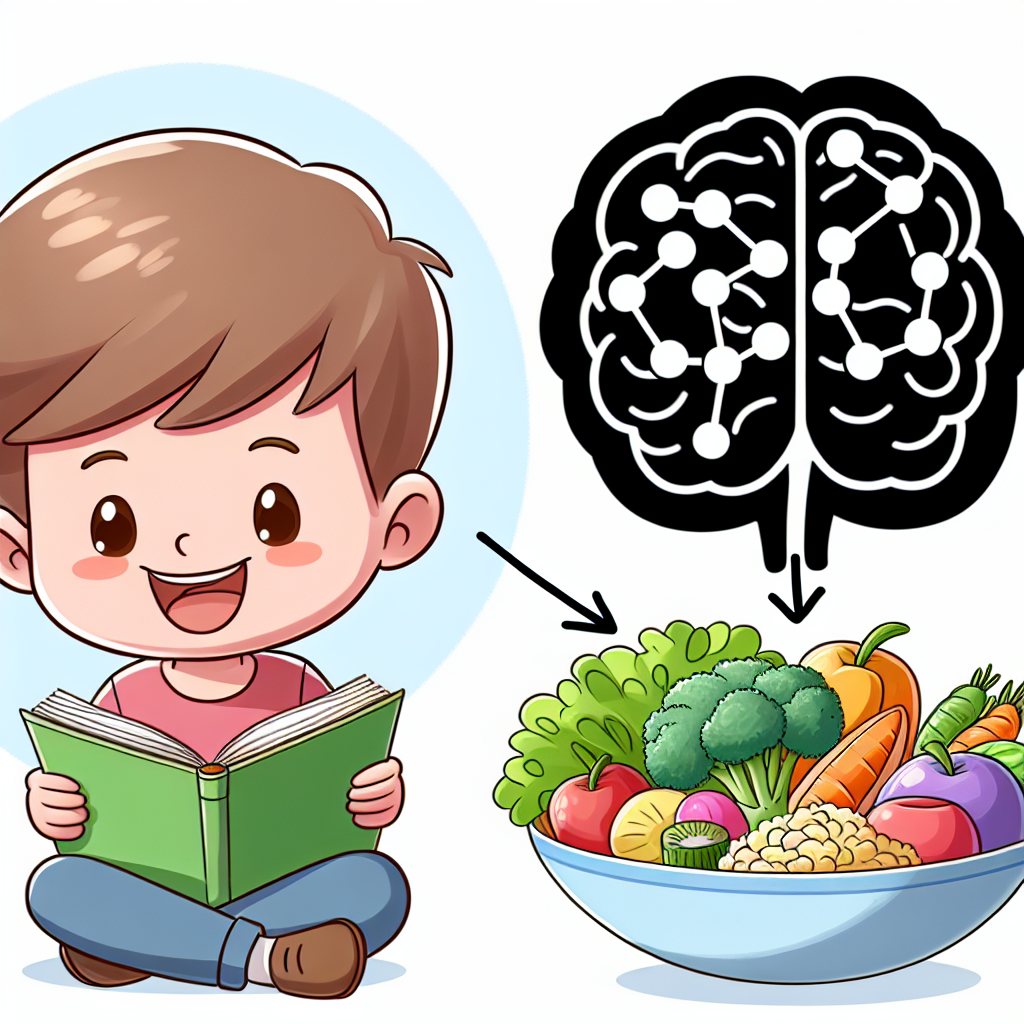
How Choline Deficiency Impacts Young Brains and What You Can Do About It
In recent years, the importance of nutrients such as choline has moved to the forefront of research focused on cognitive health and development. Recent studies, such as the one reported by ScienceDaily, highlight the silent threat posed by low choline levels in young adults, especially those battling obesity. This nutrient deficiency is linked to increased inflammation, liver strain, and elevated levels of neurofilament light chain, which indicate neuronal injury.
The Role of Choline in Brain Health
Choline is an essential nutrient that plays a crucial role in various bodily functions, including neurotransmission and cell maintenance. According to the Office of Dietary Supplements, choline is pivotal for maintaining the structural integrity of cell membranes, DNA synthesis, and healthy nervous system function. Its deficiency can lead to significant health issues, particularly affecting brain health in both developmental and adult stages.
Understanding Choline Deficiency
Choline deficiency is often overlooked because it’s found in a variety of foods, but many people don’t get enough in their diets, according to NIH. A deficiency in choline can lead to muscle damage, liver disease, and even memory problems in adults. In growing brains, the impact can be even more severe.
How Choline Affects Cognitive Function
Research indicates that inadequate choline intake can lead to neurocognitive deficits, particularly in developing brains. A study published in Nutrients reveals that insufficient choline, together with low DHA levels in maternal diets, could affect infant brain and eye development. This underscores choline’s role not just in individual health, but in community and future generational health outcomes.
Boosting Choline Intake
Most diets, especially those lacking in meat and grains, can benefit from a conscious categorization of choline-rich foods. Foods such as eggs, beef liver, and soybeans are excellent natural sources of choline. For people with limited access to these foods or certain dietary restrictions like vegans, fortified foods and supplements offer viable alternatives.
Eggs: The egg yolk is particularly high in choline; adding eggs to your diet can significantly increase your intake.
Animal Liver: While not everyone’s favorite, beef liver is one of the most potent sources of choline.
Soybeans and Spinach: These are plant-based options rich in choline, suitable for vegetarians and vegans.
The Path Forward
Efforts to increase public awareness about choline and encourage dietary balance are ongoing. A review in Nutrition Today calls choline “underconsumed and underappreciated,” urging nutrition policymakers and health professionals to highlight this nutrient in dietary recommendations.
In conclusion, while choline may not be the most hyped nutrient, its role in brain development and health cannot be understated. As science continues to unlock the secrets of our dietary needs, ensuring adequate choline intake could become a fundamental pillar of preventive health care, particularly for the developing brains of young children and adults.
For those concerned about nutrient deficiencies, discussing dietary changes or supplements with a qualified health professional could be an informative and beneficial step forward.