Why Kids Prefer Robot Teachers Over Humans
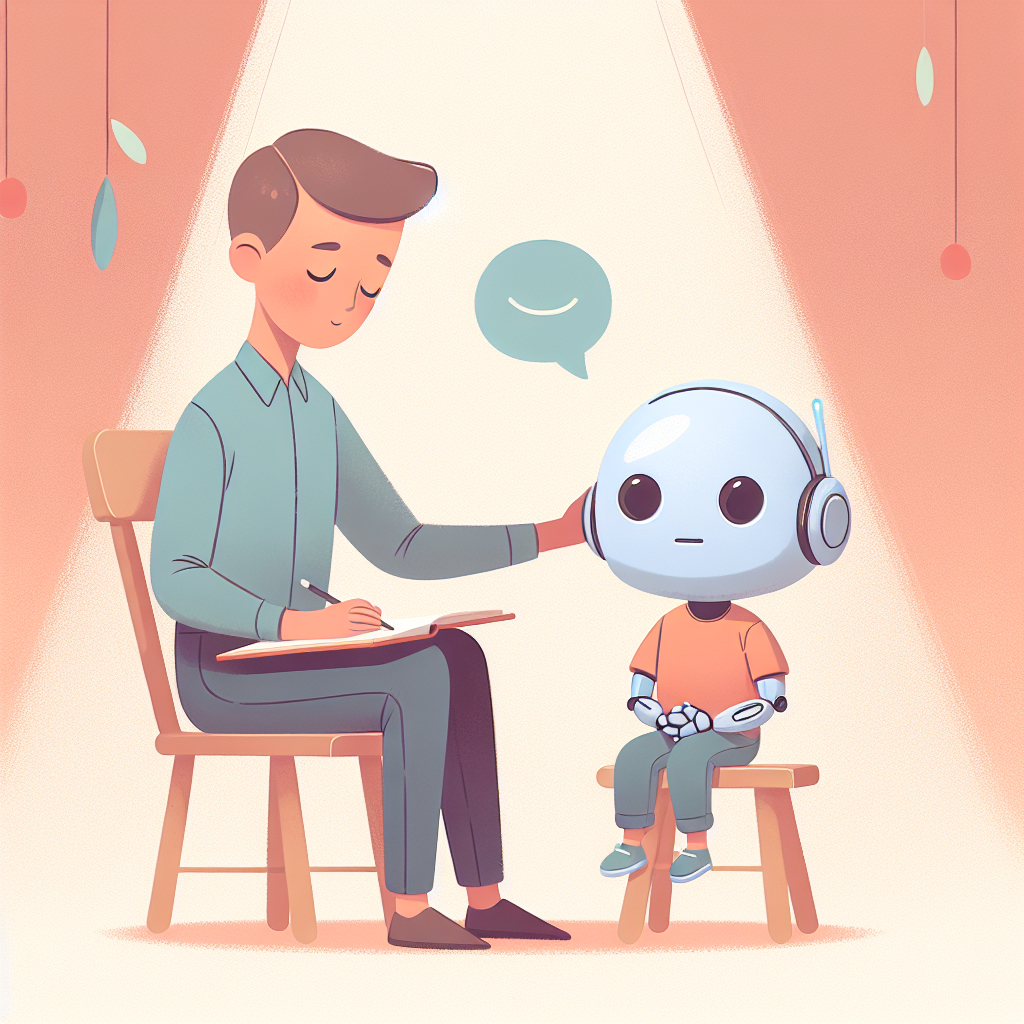
Did you know that in a study involving 5- to 8-year-olds, children often chose a robot over a human instructor for learning tasks? This preference might just change how we view technology in learning environments. But wait—there’s more. Kids gazed more at the robot instructor and referenced the research assistant more frequently when interacting with the robot—a clear indicator of engagement and curiosity!
The Transformative Role of Robots in Education
It might sound like the plot of a sci-fi movie, but social robots are fast becoming part of our educational landscape. Designed to assist in learning, these artificially intelligent beings are not just novelties—they hold real potential for personalized education. Research by Langer et al. (2025) delves into how children interact differently with robots versus humans, and the results might surprise you.
Breaking It Down: Why Robots Engage Better
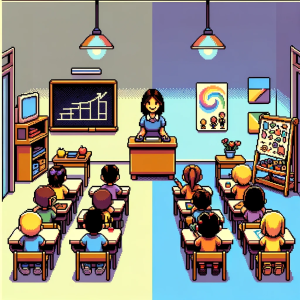
Imagine a classroom where a robot named Misty greets your child every day. Instead of being intimidated by unfamiliar technology, kids seem to lean in —literally—observing the robot with an even more intense focus than they do a human teacher. This isn’t just about shiny gadgets; it’s about how children today perceive and engage with the world around them.
Children’s gaze at robots was not just longer but also more focused, suggesting a deeper level of engagement. Is this merely a novelty effect, or is there something fundamentally compelling about a machine that can make learning fun and interactive?
Child Characteristics: A Clue to the Complexity
Interestingly, the study uncovered how children’s characteristics—such as age, temperament, and even home technology use—played a role in their interactions with robots. Older children completed tasks more quickly, suggesting an age-related ease with technology. However, despite initial assumptions, factors such as a child’s social skills or prior technology exposure didn’t significantly influence their preferences or performance with robots.
Does this mean every child will relate to a robot differently? Absolutely. The takeaway for educators and parents is the profound diversity in children’s interactions with technology, which could lead to more tailored educational experiences.
Why It Matters: Beyond the Classroom
So, why does any of this matter? If robots can capture the attention of young learners better than humans, should we modify our approach to teaching and child development? It’s not just about keeping kids occupied; it’s about harnessing this engagement to enhance learning outcomes.
Potential Pitfalls and Ethical Questions
Yet, the rising use of robots in education also raises ethical questions. As we drift toward a technology-driven learning paradigm, how do we ensure that human elements like empathy and emotional intelligence are not bypassed? And what about the novelty wearing off?
Moreover, can robots teach the same way humans do—not just facts but empathy, creativity, and critical thinking? The answers might reshape education policies and practices in unprecedented ways.
Bringing It Home: Practical Takeaways
As educators and parents, it’s crucial to keep asking: How can we harness this technology to improve learning outcomes? Consider introducing social robots in gradual increments, allowing children to become comfortable without feeling overwhelmed. Additionally, pairing robots with human instructors could blend the best of both worlds, giving children a well-rounded educational experience.
Want to advocate for better mental health policies in schools? Start a dialogue about integrating technology in ways that support diverse learning needs and emotional well-being.
Let’s Talk About It
- What’s the biggest mental health challenge you see in schools today?
- How can schools better support students’ emotional well-being?
- What’s one insight about child psychology that changed the way you parent or teach?
Join the conversation! Your insights could help shape the future of educational technology, ensuring our children receive not just instruction, but inspiration, from their classroom experiences.