Integrating Neurodiverse Perspectives for Enhanced Student Support
School psychology has long focused on providing comprehensive support to students, particularly those with special needs. With the recent spotlight on neurodiversity, educators are re-evaluating traditional methods of student assessment and support to better cater to diverse cognitive and emotional profiles.
Understanding Neurodiversity in Education
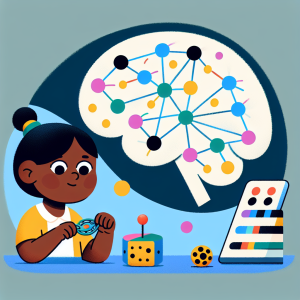
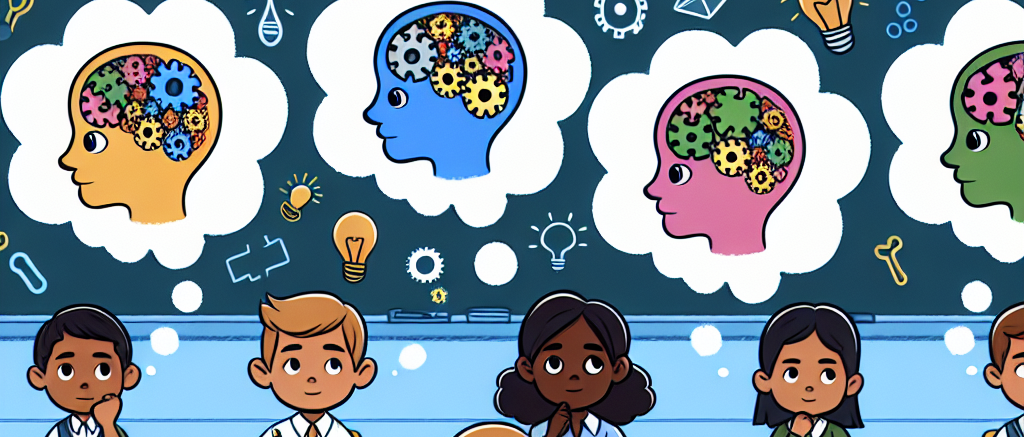
The concept of neurodiversity celebrates the diverse cognitive abilities of students, recognizing conditions such as autism, ADHD, and dyslexia as part of natural human variance rather than abnormalities. This shift in perspective emphasizes individualized educational strategies.
According to a recent study highlighted by ScienceDaily, math difficulties in children may be linked to differences in how their brains process errors and adapt . This insight highlights the importance of adaptive teaching methods.
Innovative Approaches in School Psychology
Incorporating neurodiverse perspectives involves rethinking traditional educational methodologies:
- Flexible Curricula: Adapting lesson plans to accommodate diverse learning styles can help support a range of cognitive abilities. This involves offering more interactive and sensory-rich learning experiences.
- Personalized Support Systems: Individualized Education Plans (IEPs) need to involve students in setting personalized goals and strategies.
- Collaborative Learning Environments: Group work and peer support systems can foster inclusive learning spaces where neurodiverse students thrive.
Moreover, leveraging technologies such as AI-powered handwriting analysis can help identify learning disabilities, such as dyslexia, early on, enabling timely interventions.
Training School Psychologists for Diversity
Teachers and school psychologists must undergo continuous training to integrate neurodiverse strategies effectively into their practice. This involves understanding various neuropsychological conditions and developing skills to accurately assess and support diverse learning needs.
‘We are seeing a shift from a deficit-based model to one that recognizes and fosters individual strengths,’ says Marty Nemko in a recent Medium article on school psychology trends.
Navigating Challenges and Future Directions
Despite these advancements, challenges remain. School systems must balance budget constraints with the need for specialized resources. Engagement with parents and caregivers is also crucial for reinforcing support outside the classroom.
Emerging litigation trends indicate the growing legal recognition of neurodiverse rights in educational settings. These developments are crucial for institutionalizing equitable practices.
Conclusion
The evolving landscape of school psychology requires a holistic approach that embraces neurodiversity. By fostering environments that value and support diverse cognitive profiles, educational institutions can better prepare students for success beyond the classroom. Recognizing every student’s unique contribution enriches the learning experience for all and creates more inclusive educational spaces.