Unlocking Creativity as a Superpower
‘Wait, that can’t be right!’
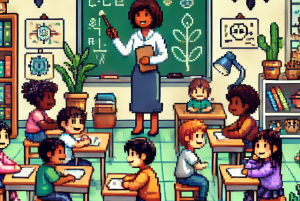
A teacher’s voice echoed through the bustling classroom of 8th graders working on a creativity task. The classroom fell silent, lingering on the unexpected gasp from a usually composed teacher following an experiment in reading and creativity. Turns out, the teacher had just stumbled on a groundbreaking insight: reading ability might be masking the true creativity of some students.
It’s like believing you can’t judge a fish’s ability to climb a tree, but here, we’re talking about kids and their creative potential—a revelation uncovered by a team of researchers studying creativity assessments in Brazilian schools.
The Real Story Hidden in the Pages
Researchers Lichand, Lopes, and Allums uncovered a surprising factor that impacts creativity assessments worldwide. Their curiosity was piqued by an established gap showing high socioeconomic status (SES) students often outscore their lower SES peers in creativity tests. However, they asked a bold question: Could reading ability impact creativity scores? And boy, did they find a revelation!
Across several studies with students aged 11-18, findings revealed that creativity scores correlated with reading ability, not just innate creativity. The trials were simple yet illuminating. In some instances, students read the questions themselves, while in others, the prompts were read aloud by enumerators, so students could showcase imaginative thinking sans reading hurdles.
Why This Matters for Every Child
When prompts were read aloud, the SES gap—the infamous indicator of supposed creativity differences—virtually disappeared! If a child’s creativity is latent behind their reading struggles, how do we nurture both their reading and creativity skills appropriately?
This presents a major rethinking of how schools assess creativity and even approach education.
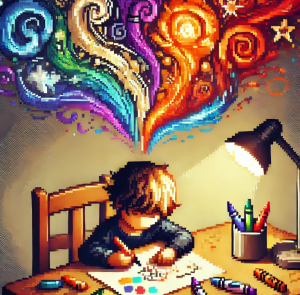
- Would Johnny have been considered the ‘artist’ in class if not for the reading-laden tests?
- And Maria, an aspiring chef, whose ingenious recipe ideas never made it to the teacher’s spotlight due to a thick book cover posing as a barrier?
Implications and Innovations in the Classroom
Think about it: An art background might blossom in quiet students who found the written prompts a climb too steep. This shifts our idea of testing fairness, too. Are we unfairly setting some children’s paths by assessing their ability to decode text rather than their creativity?
Imagine shifting from tests based on reading-heavy instructions to more oral exams or non-verbal assessments. Students who express themselves better verbally or through drawings could finally have their ‘Eureka!’ moment equitably evaluated.
What Schools Can Do Right Now
Now, this isn’t just a problem aired without a parachute of solutions:
- Encourage Diverse Assessment Methods: Balance written and oral assessments of creativity. Diversify how kids can demonstrate their understanding.
- Provide Reading Support: For students with reading difficulties, dedicated sessions that target fluency and comprehension can untangle reading from their creativity.
- Create a Voice for All Students: Classroom activities that allow students to share ideas verbally or through art encourage creativity beyond the written word.
Dig Deeper: A School-wide Reflection
The next step? Schools must nurture environments that cultivate creativity while acknowledging diverse learning styles. So, ask yourself:
- What’s the biggest mental health challenge you see in schools today?
- How can schools better support students’ emotional well-being?
- What’s one school psychology insight that changed the way you parent or teach?
Let’s Talk About It
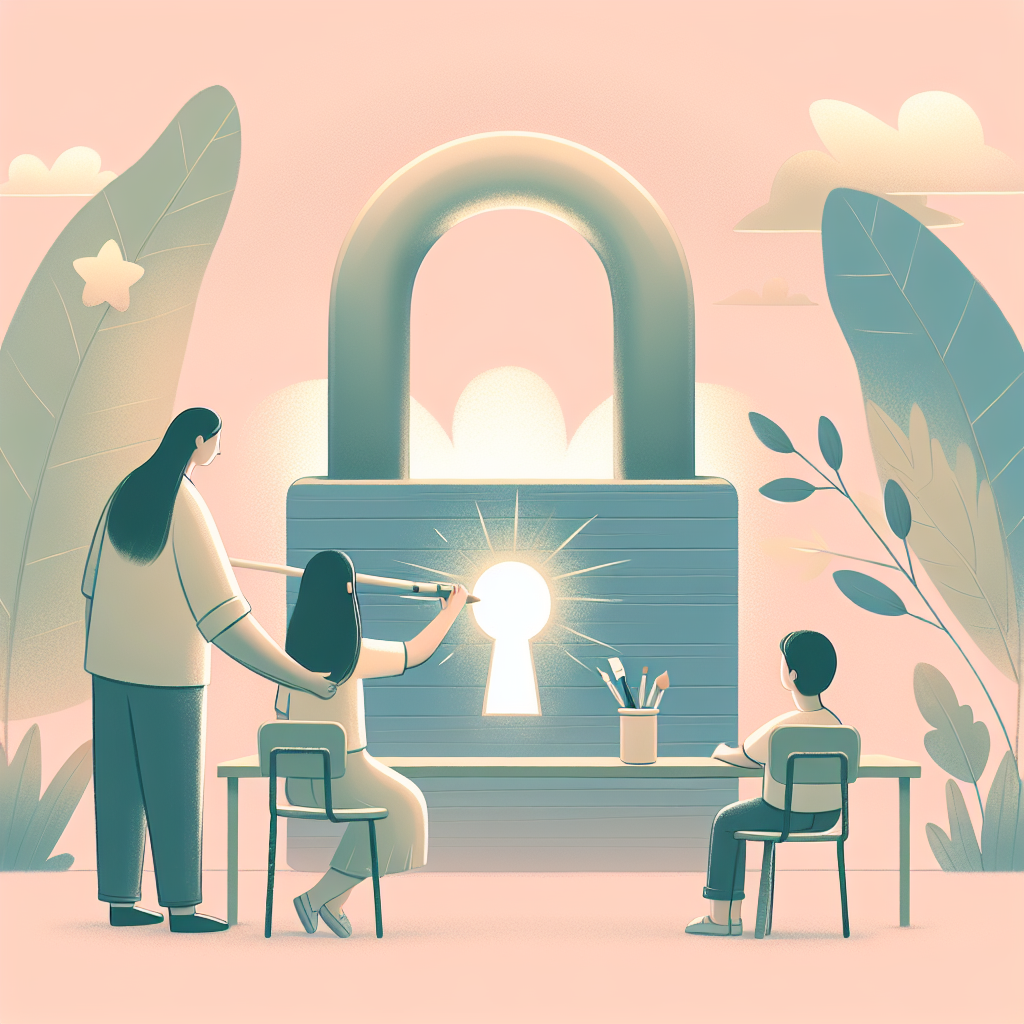
Engage with this new understanding and join a community conversation, advocating to reshape school policies in light of these revelations. ‘Why do we still risk covering the stars with clouds?’ you might ponder. Nurture the creative thinker in every student—because their imagination knows no bounds, if only we gift them the right sky.