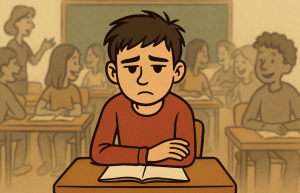

Schools’ Role in Shaping Resilience
Did you know that the average child laughs 300 times a day, while adults only manage a mere 17? And yet, despite those giggles, many children in classrooms are quietly battling mental health challenges.
It’s a stark reminder that a child’s world isn’t just play and laughter—it’s a complex blend of emotions, learning challenges, and social interactions.
Understanding Hidden Struggles
Let’s dive into what’s happening in schools today. You may picture a classroom full of bright smiles, but studies reveal that up to 20% of children grapple with mental health issues. These struggles can range from anxiety and depression to ADHD and beyond. Such challenges often shadow children’s ability to learn, socialize, and ultimately, thrive.
Why are these issues becoming more prevalent?
Research suggests that factors such as social media use, academic pressures, and disrupted family dynamics play significant roles. In fact, excessive screen time has been linked with increased anxiety and depression, making it crucial for parents and educators to balance digital engagement with offline time.
The Role of Schools in Shaping Resilience
Schools bear significant responsibility in nurturing not just academic success but emotional and social well-being. You might be surprised to learn that children spend a major portion of their waking hours in schools, making these places pivotal for mental health support. A nurturing school environment can bolster resilience, fostering students who aren’t just good at getting good grades but are emotionally intelligent.
Yet, schools often face hurdles. Limited resources mean that psychological support can be stretched thin. However, adopting a proactive stance on mental health can make a difference. Imagine classrooms where emotional learning is as integral as math or reading. Such an approach can empower students to better understand and regulate their emotions.
Breaking Down Barriers
Understanding self-regulation is vital. Research shows that children struggle with self-regulation because their developing brains are still fine-tuning processes for managing emotions and behaviors. Teachers can play a pivotal role by modeling self-regulation and creating an environment where children practice these skills.
Actionable Steps Forward
So, what next? How can parents and teachers turn this research into action?
- Open Conversations: Encourage open, stigma-free discussions about feelings and mental health with children. Make them feel heard.
- Balanced Screen Time: Encourage activities that limit screen time and promote physical and emotional well-being, like outdoor play and reading.
- Emotional Learning: Push for an emotional intelligence curriculum in schools—skills like empathy, self-regulation, and communication are invaluable.
A Call to Action
It’s time we spearhead change both at home and in schools. Advocate for policies that integrate mental health awareness and support in every learning environment. Educators, tap into training to help you identify and support children facing mental health issues.
Now, picture this: what if every child had the support they needed to tackle their mental health challenges head-on? The difference for families, classrooms, and communities would be transformative.
- What’s the biggest mental health challenge you see in schools today?
- How can schools better support students’ emotional well-being?
- What school psychology insight has changed your approach to parenting or teaching?
Learn more about children’s mental health and join the conversation to create a future where every child can thrive emotionally, socially, and academically.