Unveiling the Long-Term Impact of Montessori Preschool Education
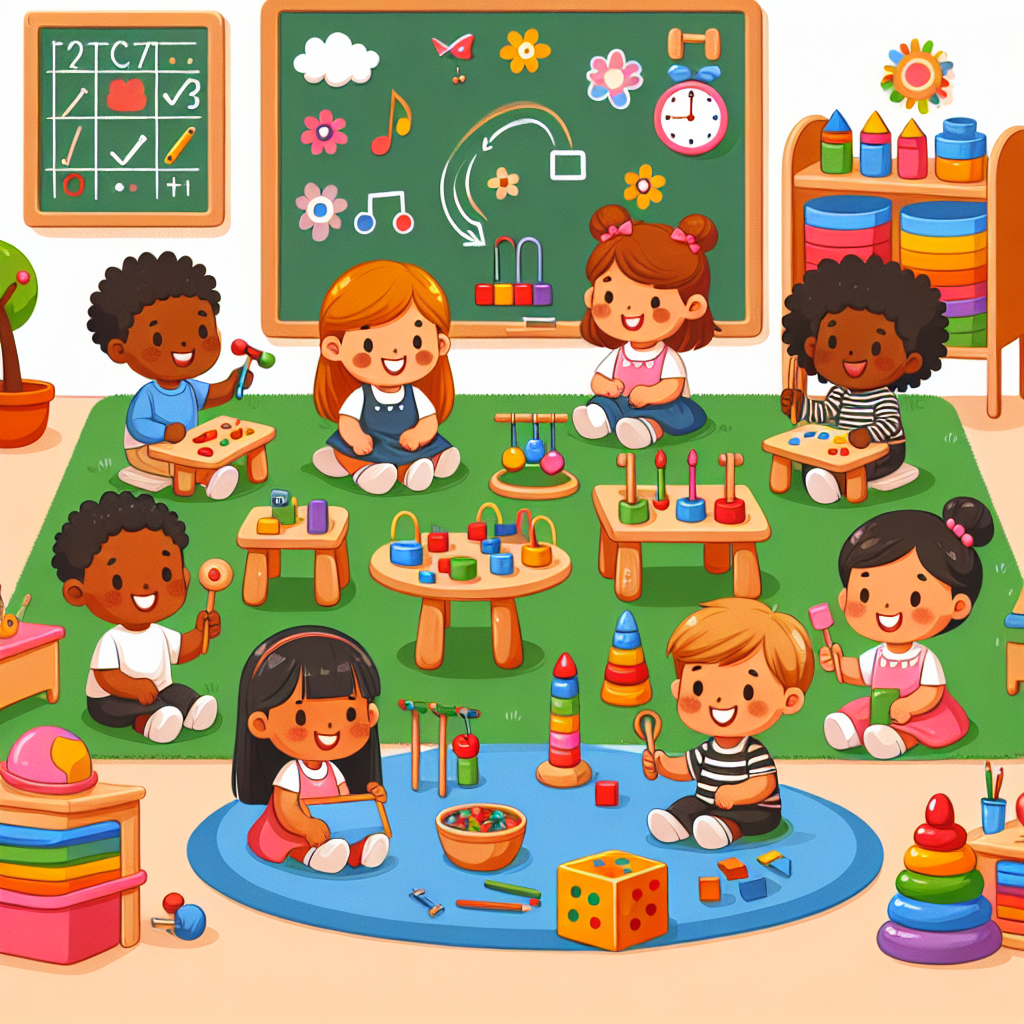
The Montessori method, developed by Dr. Maria Montessori, emphasizes self-directed activity, hands-on learning, and collaborative play to cultivate a child’s innate desire to learn. Recent studies have shed light on the profound and long-lasting impacts of Montessori education, particularly in preschool, on various aspects of children’s development.
Academic Excellence and Cognitive Development
Research has highlighted the academic benefits associated with Montessori education. According to a systematic review published in Campbell Systematic Reviews, Montessori students outperform their peers from traditional schooling backgrounds by approximately one-third of a standard deviation on nonacademic outcomes such as social development and problem-solving capabilities. This indicates that Montessori education not only enhances academic skills like reading and math but also fosters critical thinking and independence in children.
Long-Term Emotional and Social Advantages
The impact of Montessori education extends beyond academic achievements. A study from Forbes highlights that adults who attended Montessori schools report higher levels of happiness and well-being. Moreover, these individuals demonstrate superior social skills, intrinsic motivation, and a heightened sense of community responsibility.
Independence and Self-Regulation
Montessori education cultivates self-discipline, a key factor in personal development. As reported by UC Irvine researchers, children from Montessori backgrounds often show enhanced self-regulation and executive function, crucial for adapting to life’s challenges.
Parental and Educator Testimonials
Parents often observe that Montessori education instills in their children a love for lifelong learning. According to the Science-Based Parenting forum, parents emphasize the curriculum’s ability to promote curiosity and respect for others, preparing children for diverse societal interactions.
Montessori’s Influence on Educational Policy
The growing body of research has influenced educational policies worldwide. The Institute of Education Sciences supports large-scale evaluations of Montessori preschools to inform public education strategies and improve early childhood education programs.
Conclusion
Montessori education’s holistic approach not only prepares children academically but also emotionally and socially. By fostering independence and critical thinking, Montessori preschools lay a strong foundation for students’ lifelong success. As more evidence emerges, educators and policymakers should consider incorporating Montessori principles to enhance childhood education at scale.
The impact of Montessori education is a testament to the foresight of its founder and to her revolutionary educational philosophy, which emphasizes the potential in every child when given the environment to thrive.