Rising Temperatures Are Hindering Our Children’s Growth: How Climate Change is Shaping Early Childhood Development
As the world continues to warm, a new crisis looms—one that directly affects our youngest generation. Recent research reveals that rising temperatures are not merely a threat to the environment but also to early childhood development. This alarming discovery underscores the urgency of addressing climate change to safeguard our children’s futures.
The Impact of Heat on Development
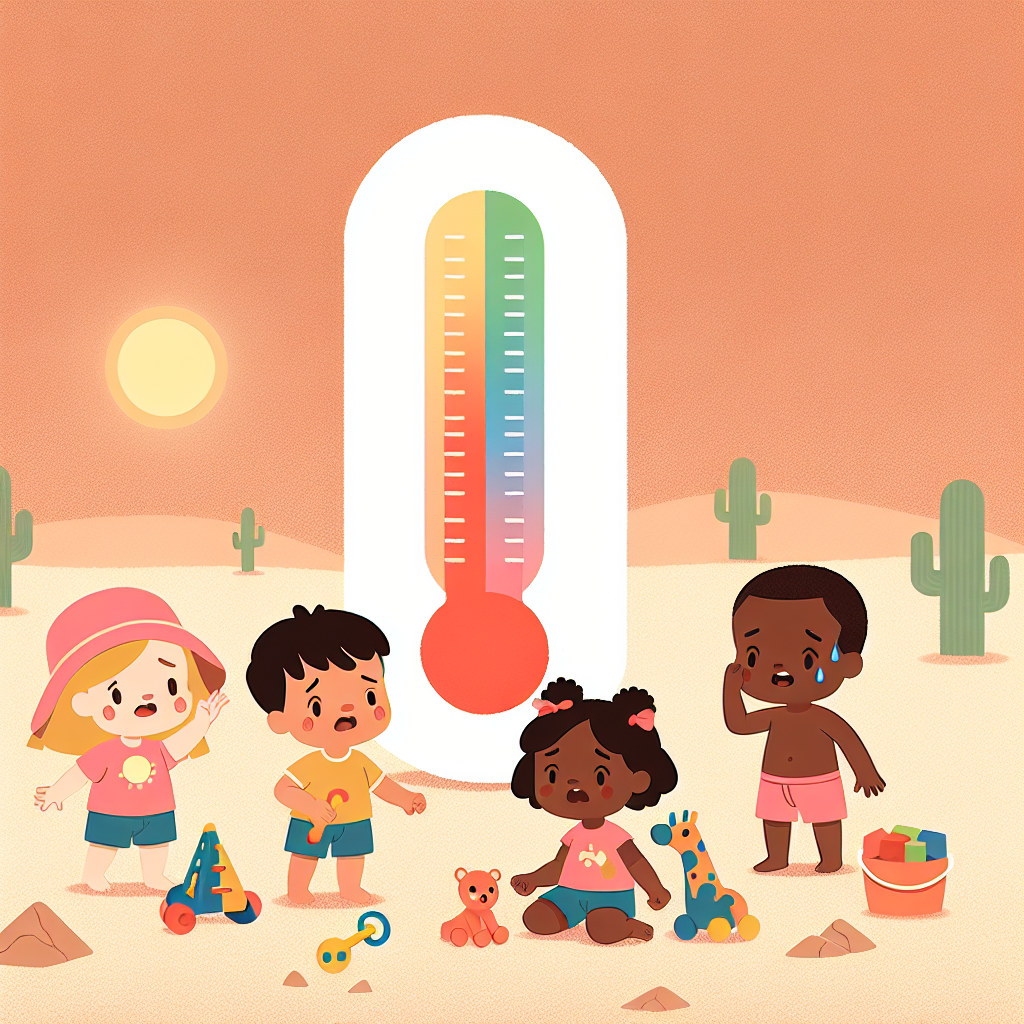
Studies have shown that children living in hotter climates are less likely to reach critical learning milestones. The increase in temperatures, especially above 86°F, has been significantly correlated with reduced cognitive outcomes, specifically in reading and basic math skills. Children in economically disadvantaged areas are particularly susceptible, as they have fewer resources to mitigate the consequences of extreme heat (NPR) .
Why Are Young Brains at Risk?
The developmental lag can be attributed to several factors. High temperatures can affect children’s ability to concentrate, cause physical discomfort, and even influence mood and behavior through increased irritability (Harvard Graduate). Physiological stress from heat exposure can have long-term effects on brain development.
Systemic Inequities at Play
Existing social inequalities further exacerbate this issue. According to the UN, widening gaps driven by climate change disproportionately impact those in vulnerable communities (UNESCO). Children from low-income families often lack access to cooling systems, nutritious food, and other resources that buffer against heat’s impacts, making them more vulnerable to developmental delays.
A Call to Action
While the findings are sobering, they also provide an impetus for immediate action. Reducing global greenhouse gas emissions is critical, but so is bolstering support systems for children at risk. This includes investing in community cooling centers, enhancing educational resources, and pushing for policy changes that integrate climate considerations into public health planning.
Educational and Policy Interventions
- Community Initiatives: Programs aimed at providing relief to those in heat-stricken areas can help buffer young children from the worst effects.
- Policy Solutions: Governments must prioritize climate adaptation strategies and invest in infrastructure that supports health and learning in a warming world.
- Education As An Equalizer: Schools and educational programs should embed climate education into their curriculum, preparing future generations to tackle these issues head-on.
As global temperatures continue to rise, the impact of climate change on early childhood development underscores a dire need for informed, immediate response strategies across the board. The well-being of the next generation depends on our willingness to act now.