The Silent Crisis Walking Our School Halls
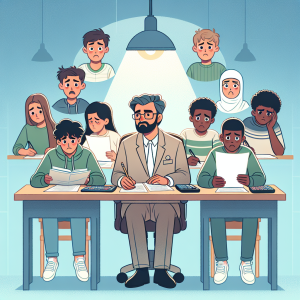
A middle school counselor recently told me about a sixth grader who burst into tears during homeroom because her “brain felt too full.” No bullying, no family crisis, no dramatic event. Just life. School, sports, social media, friendships—all piling up until something snapped.
If that stopped you for a second, good. Because this moment captures the emotional reality many kids—and their older siblings in high school and college—are living through right now. And the newest research? It’s even more startling.
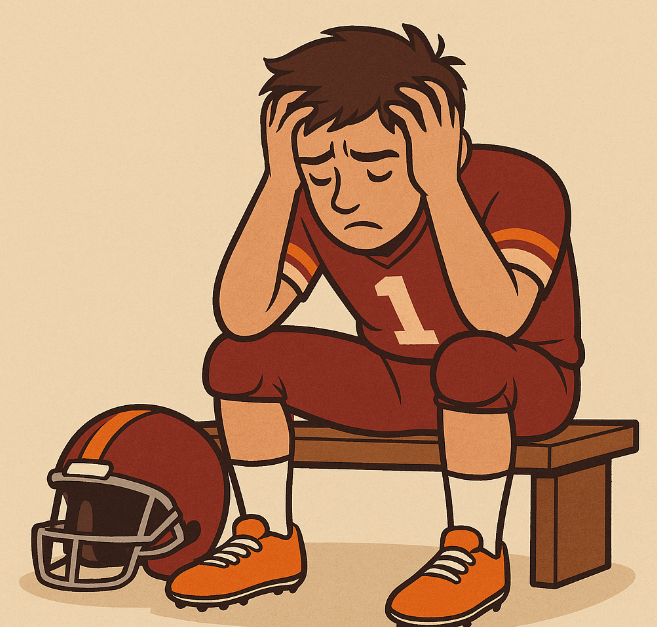
A recent study of varsity student-athletes ages 18–25 found that nearly two-thirds showed elevated symptoms of anxiety and depression, and almost three-quarters fell into the “risky” range for alcohol use.
Yes, athletes. The kids who look “fine.” We think the kids are the healthiest, most resilient, and most supported on campus.
And before you think, “Well, that’s college sports,” here’s the twist: The patterns researchers are finding among college athletes mirror the emotional landscape we’re already seeing in K–12 schools.
Kids are struggling. Quietly. Constantly. And sometimes dangerously. So let’s talk about why—and more importantly, what we can do.
The Science Behind the Struggle: Why Kids’ Brains Are Overloaded
Let’s start with a quick reality check: kids today are not growing up in the same emotional environment we did. The pressure—academic, social, digital, extracurricular—has skyrocketed. Researchers studying student-athletes found several patterns that should make all of us stop in our tracks:
- 64.5% reported elevated anxiety
- 62.9% showed symptoms of depression
- 70% showed concerning levels of substance use (e.g., alcohol, medications, nicotine)
- These risks increased depending on factors like season, academic pressure, and gender
When you zoom out, these numbers don’t describe a niche sports issue. They describe an ecosystem of stress.
Kids today:
- Are carrying heavier academic loads.
- Face more frequent performance evaluations.
- Are relentlessly compared to peers on social media.
- Experience constant, low-grade uncertainty about the world.
This is not weakness. This is neuroscience. The adolescent brain is still building emotional regulation systems—at the same time kids are experiencing more stressors than at any point in modern childhood. That’s like asking a house under construction to withstand a hurricane.
The Hidden Link: Why Stress and Substance Use Move Together
One of the most striking findings in the athlete study was how tightly anxiety, depression, and substance use were intertwined.
Kids who showed higher anxiety? They were significantly more likely to report misusing alcohol or other substances. Same for kids with depressive symptoms. Even those with mild symptoms showed strong correlations with risky behavior.
Now, your middle schooler isn’t sneaking vodka into their Hydro Flask (and let’s hope your high schooler isn’t either), but here’s the bigger point:
Kids of all ages are turning to whatever coping strategy they can find—healthy or not—to handle overwhelming stress.
For some:
- It’s emotional withdrawal.
- It’s irritability.
- It’s overeating.
- It’s obsessive gaming.
- It’s doom-scrolling.
- It’s perfectionism that looks like “good behavior.”
And when they’re older? For many, it becomes alcohol, cannabis, stimulants, or pills. Not because they’re “bad kids.” But because no one taught them better ways to cope when their brains were still learning how to handle big emotions.
The Breakthrough: Stress Isn’t the Problem—Isolation Is
Here’s where the research gets actually hopeful.
Kids who had:
- Coaches who checked in,
- Teachers who normalized talking about emotions,
- Parents who asked about stress without judgment,
- Systems that didn’t punish vulnerability…
…those kids showed lower mental health symptoms and lower substance use risks.
The issue isn’t that kids face stress. Stress is part of life. The issue is facing it alone.
In fact, the student-athlete study noted that athletes were far more likely to seek help when they believed their environment took mental health seriously. But many didn’t—especially boys and students under high-performance pressure.
Isolation fuels risk. Connection protects. It’s that simple—and that complicated.
So What Can Parents and Schools Do Today?
Let’s ground this in real-world action. Here are evidence-informed, kid-tested strategies that can start reshaping school mental health today:
1. Normalize emotional check-ins (quick, simple, daily).
Ask:
- “Where’s your stress level today—low, medium, or high?”
- “Anything feeling heavy for you today?”
- “Would talking help or would a break help?”
Stop expecting kids to self-initiate. They won’t.
2. Build “micro-supports” in the school day.
Tiny interventions make a huge difference:
- A predictable routine in homeroom.
- Two minutes of mindfulness before tests.
- A teacher saying, “You look overwhelmed—do you want a reset?”
Kids remember these moments for years.
3. Teach coping skills explicitly.
We explicitly teach:
- Fractions
- Grammar
- Lab safety
But coping skills? Those we hope kids absorb on their own. They don’t.
Teach:
- Breathing techniques
- How to name emotions
- How to break down overwhelming tasks
- How to ask for help
This should be as routine as teaching multiplication.
4. Watch the “high performers.”
The student-athlete study showed that high-achieving kids—especially girls—reported the highest levels of anxiety and depression. Straight-A kids, team captains, student leaders—they’re experts at hiding struggle behind achievement.
Support them proactively.
5. Push for school-wide mental health policies.
Parent voices matter more than they know.
Advocate for:
- Universal mental-health screening
- Dedicated mental health staff
- Trauma-informed discipline
- School-based counseling access
- Limits on punitive attendance policies
These aren’t luxuries—they’re educational necessities.
A Final Thought: The Kids Are Not “Broken.” The System Is Overloaded.
The more we learn from research like this, the clearer the message becomes:
Kids aren’t failing to cope. They’re coping with too much.
The question isn’t, “Why are so many kids anxious?” The real question is: What will we do today to ensure they don’t have to handle it alone?
Let’s Talk About It
Share this with a friend, colleague, or fellow parent—and let’s start a conversation that schools desperately need.
Questions for you:
- What’s the biggest mental health challenge you see in your school or home right now?
- Which support strategy do you wish schools would adopt immediately?
- Has a mental health insight ever changed the way you parent or teach?
Drop your thoughts in the comments. Your voice might be exactly what another parent or educator needs to hear.